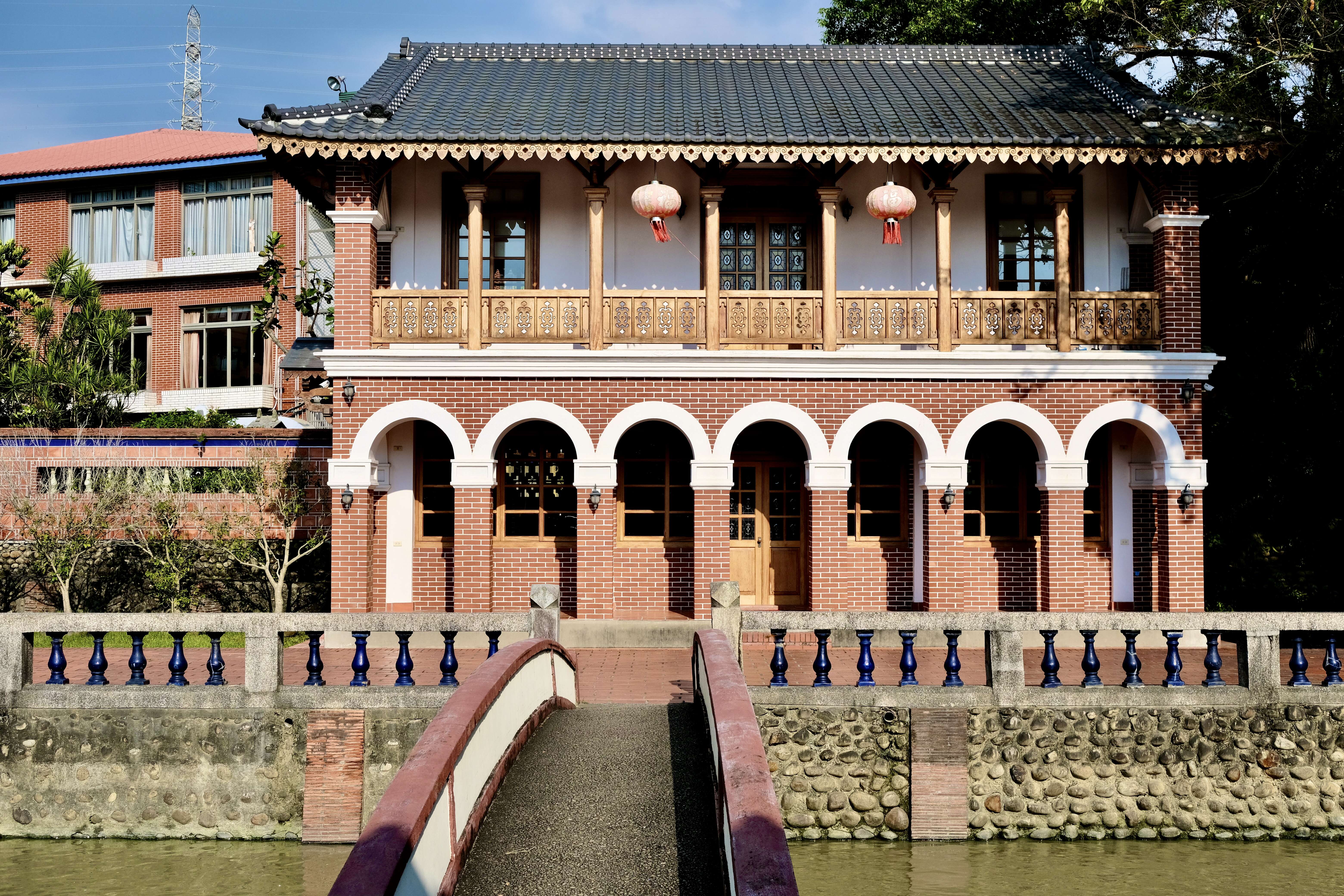
Wufeng, formerly known as Ataabu, is a small town with a rich history and culture. It not only preserves the remains of the 921 earthquakes but also boasts abundant cultural attractions, including traditional architecture, military dependents' villages, and an art museum, allowing visitors to experience the fusion of history and modernity.
This two-day outdoor-learning tour begins on the first day with the 921 Earthquake in Taiwan, followed by a visit to the Wufeng People's Livelihood Story Museum and a sampling of local cuisine. In the afternoon, visitors will admire the architecture and art at the Asia University Museum of Modern Art, then stroll through the cultural and creative district of Guangfu New Village.
On the second day, visitors will first visit the Wufeng Mushroom Museum, and then experience local life and enjoy simple street food at the Wufeng Public Market at noon. In the afternoon, visitors will visit the famous Wufeng Lin Family Mansion and Garden, including the Wufeng Lin Family Nourishment Orchard, the Wufeng Xian-Tang Lin Museum Park, and Wufeng Lin Family Gongbaodi Park, to learn about the Wufeng family's century-long history and local development.
DAY 1|921 Earthquake Museum of Taiwan → Wufeng People's Livelihood Story Museum/Kite Noodle House(Lunch)→ Asia University Museum of Modern Art → Guangfu New Village
The Timeline from Ruins to Educational Site
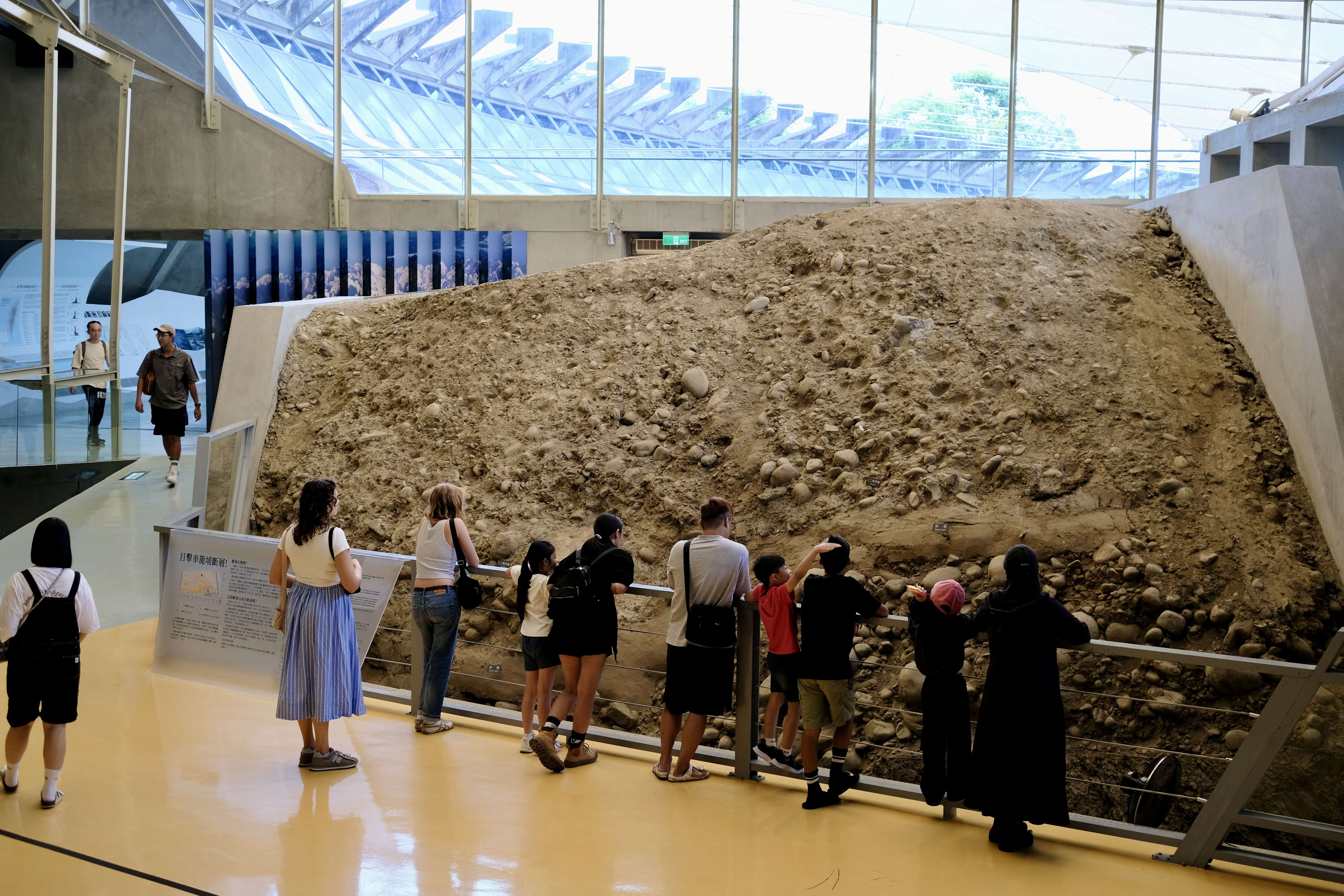
Walking into the 921 Earthquake Museum of Taiwan, the first thing you feel is the weight of history. At 1:47 a.m. on September 21, 1999, an earthquake with a magnitude of 7.3 occurred in Taiwan. At that time, the Chelungpu Fault directly crossed the school buildings and playgrounds of Guangfu (Kuangfu) Junior High School, resulting in a surface displacement of up to 2.5 meters.
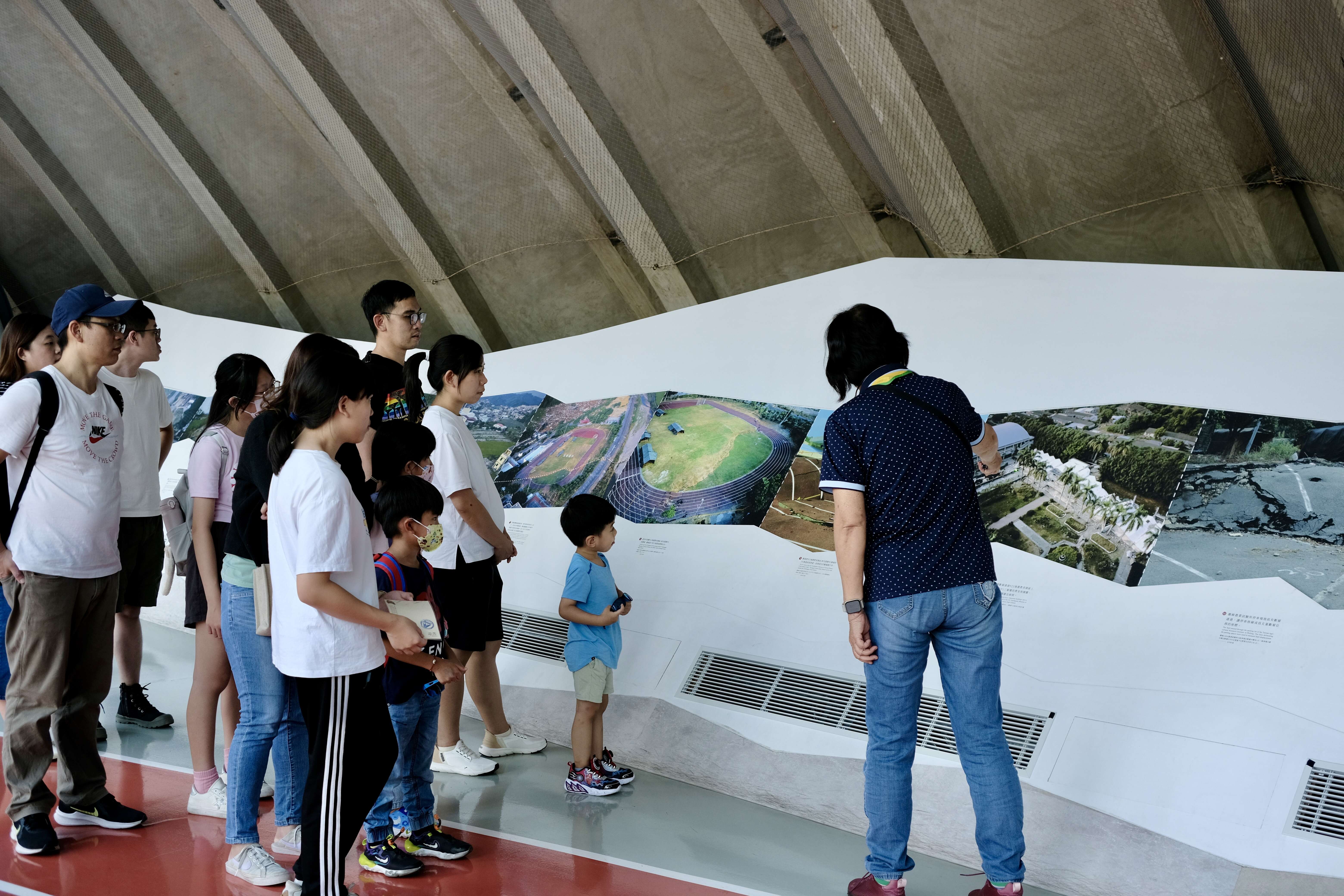
The Chelungpu Fault Gallery and Earthquake Engineering Hall have preserved the damaged site in its original state to serve as a powerful, authentic educational resource. By utilizing the damaged school grounds as an exhibition space, the museum combines preserved structural remains with archival footage and interactive exhibits. These features, along with educational games, allow visitors to explore the principles of seismic-resistant construction and understand essential public safety concepts.
Enjoying Local Everyday Dishes in an Old House
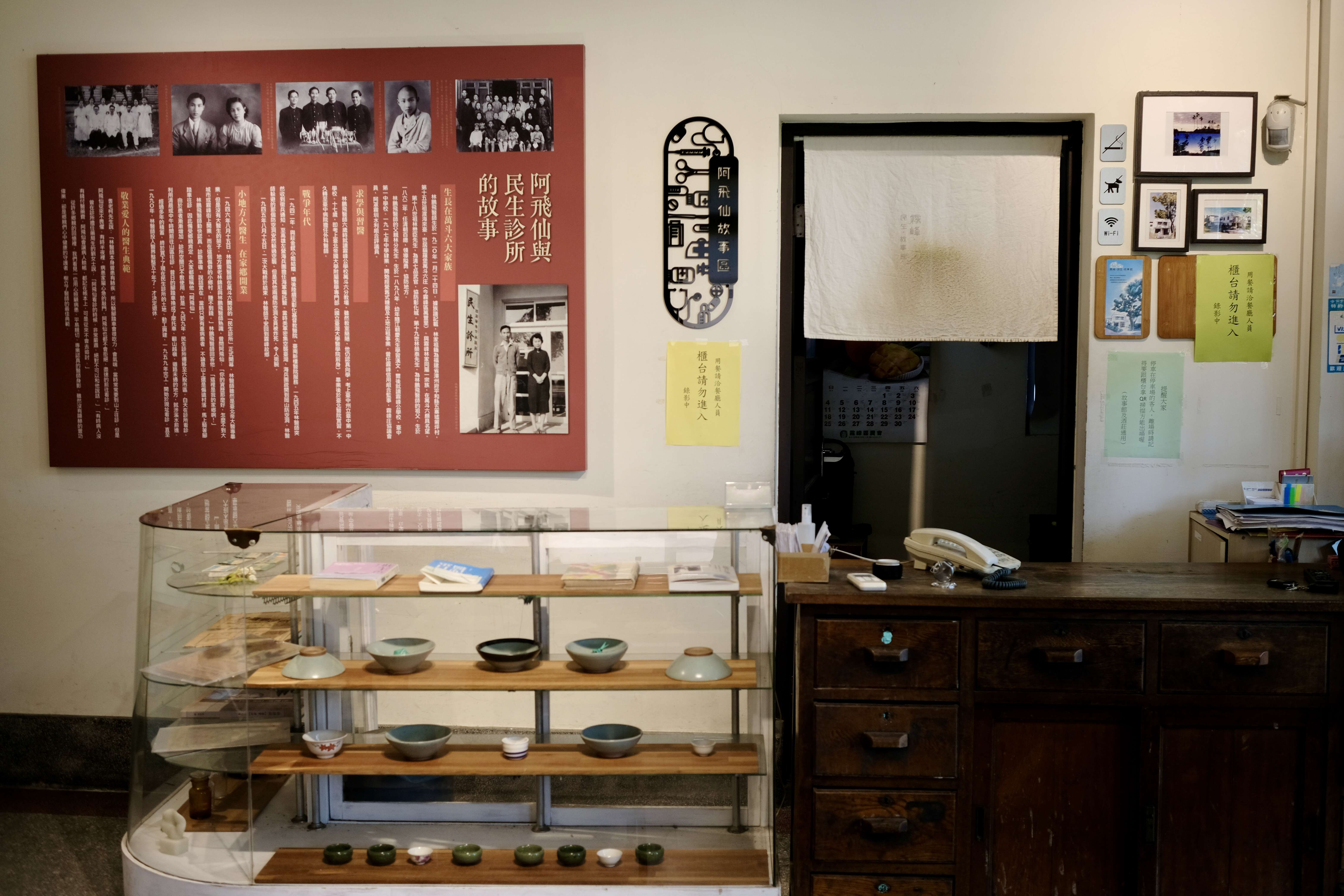
The Wufeng People's Livelihood Story Museum is only about a 4-minute drive from the 921 Earthquake of Taiwan. Initially, the "Minsheng Clinic" was founded in 1946 by Dr. Lin Pengfei, affectionately known to locals as "Ah Fei Xian" for his excellent medical skills in protecting public health. The clinic gradually fell into disrepair after his retirement. In 2014, the Wu-Feng Farmers' Association took over and restored the clinic, transforming it into a space combining historical culture with an agricultural canteen.
During lunchtime, visitors can head to the Kite Noodle House on the first floor to explore the Ah Fei Xian story area and the simulated treatment room while waiting for a table. Alternatively, they can visit the Shenjing Maru Memorial Exhibition Room on the second floor to learn about the historical stories of World War II.
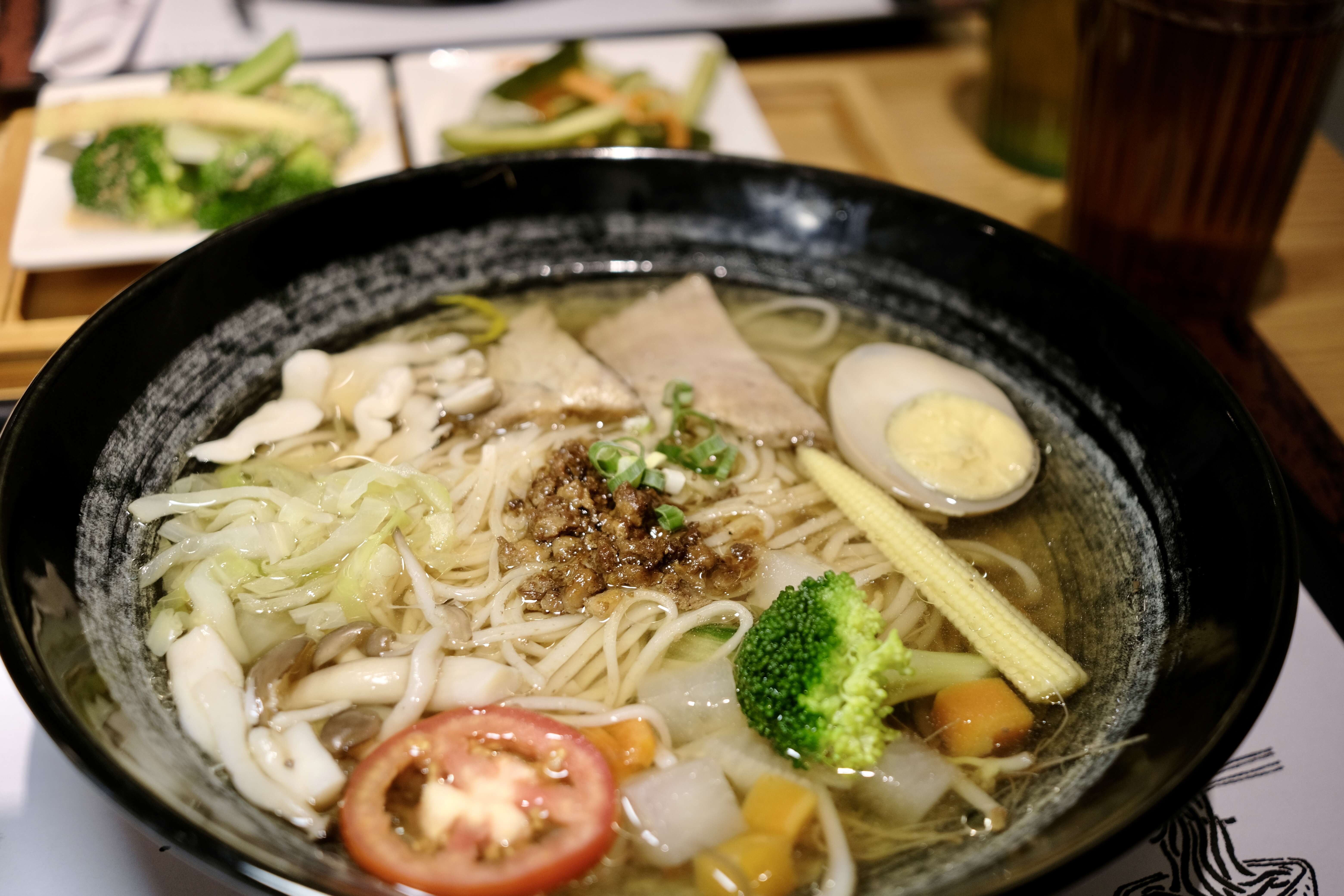
The name "Kite Noodle House," taken from the Black-winged kite, an environmental indicator animal, symbolizes the Wu-Feng Farmers' Association's pursuit of sustainable agriculture and ecological friendliness. The restaurant mainly uses locally grown vegetables cultivated using organic or natural farming methods to cook healthy, home-style dishes. Dining in an old building full of local culture not only fills customers' stomachs but also allows them to learn about the past and the stories of this land.
Architecture, Light, and Contemporary Art in Interaction
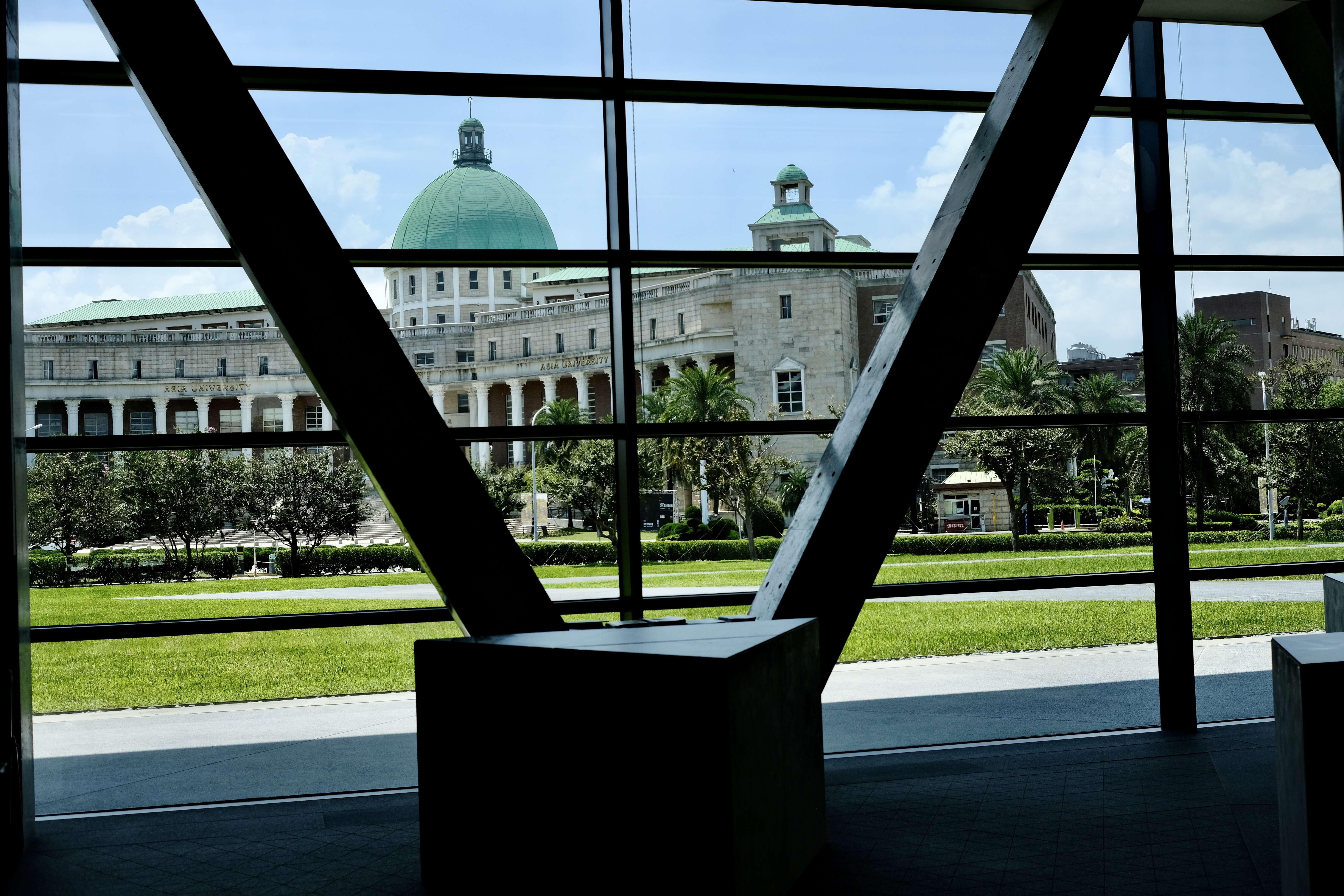
After lunch, visitors can visit the modern art museum.The Asia University Museum of Modern Art is a cultural landmark combining architectural art and contemporary aesthetics. Designed by renowned Japanese architect Tadao Ando, it is his first architectural work in Taiwan. The building's exterior is primarily composed of iconic raw concrete and large glass curtains, with multiple equilateral triangles stacked to form an interlocking, three-dimensional structure that creates a sculptural visual effect and symbolizes the balance between the environment, architecture, and humanity.
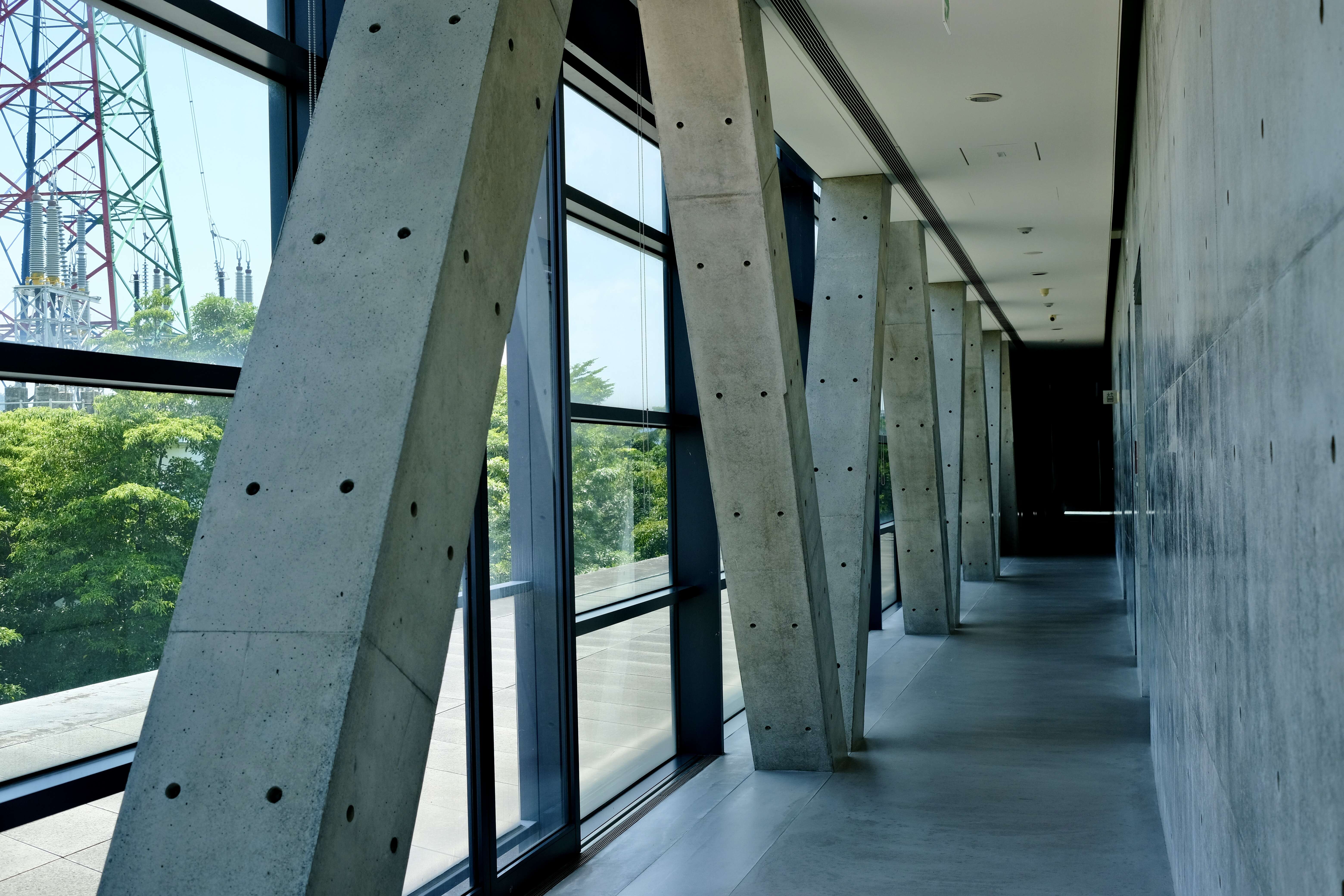
The museum is not only an exhibition space but also a platform for art education and exchange. It regularly hosts various exhibitions and offers guided tours. Visitors can learn about the background and concepts behind the artworks and hear guides share their experiences and stories of collaborating with Tadao Ando.
Daily Life in Military Dependents' Villages and Tours of Small Shops
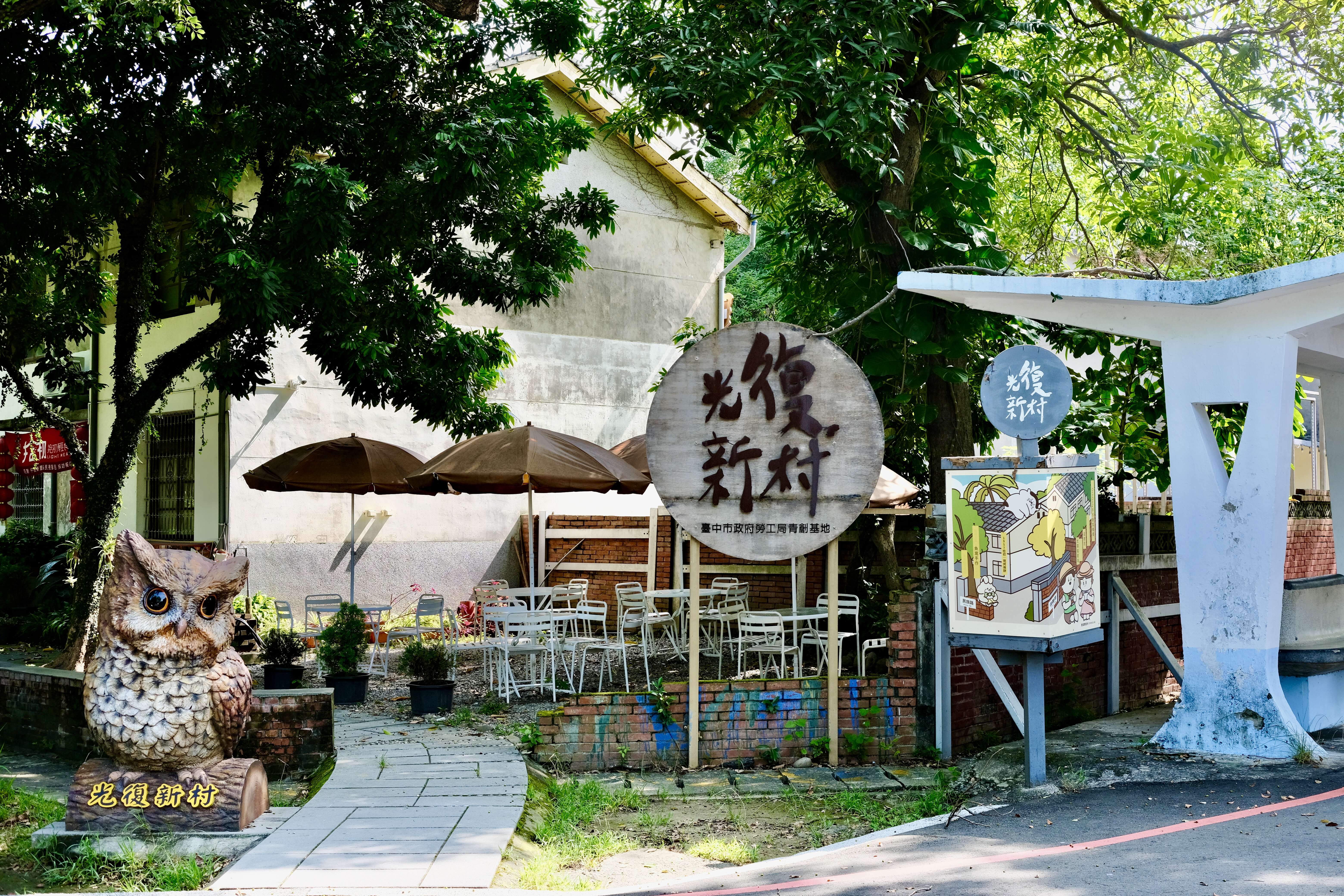
In the afternoon, when the sunlight is weaker, tourists can take a stroll to "Guangfu New Village," the first new town in Taiwan after the war, to witness the historical transformation from military defense to cultural revitalization. In the 1950s, the government established this new town in Wufeng as a dormitory area for provincial government employees. Designed with the British "Garden City" concept, Guangfu New Village features a separate stormwater and sewage drainage system, as well as electricity and transportation systems, making it a representative example of early urban planning in Taiwan.
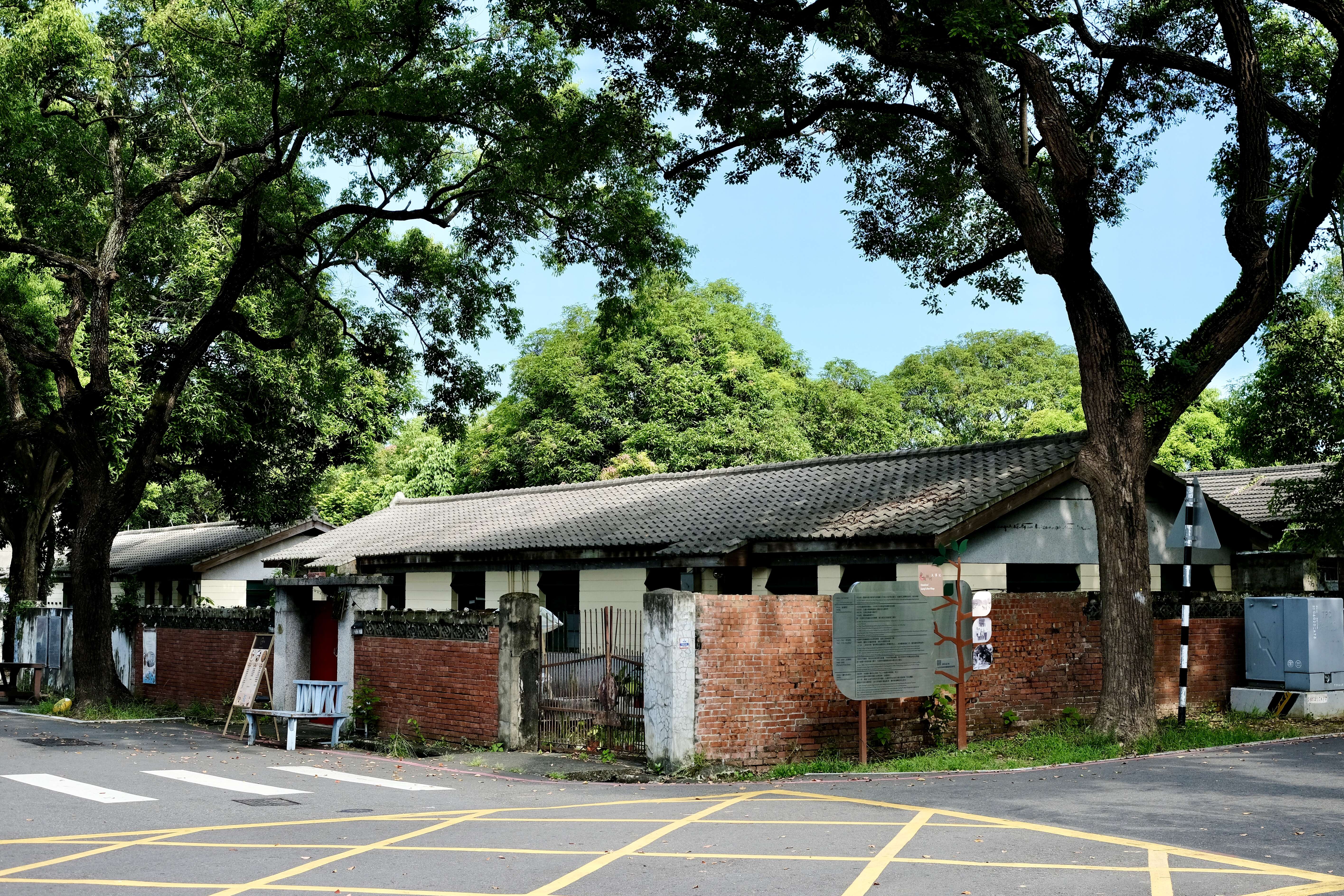
As government offices relocated, Guangfu New Village gradually declined. However, with recent efforts from both the government and the private sector, the village has been restored and revitalized into a cultural hub, attracting many artists and cultural entrepreneurs. The preserved old buildings and lush greenery draw numerous photography enthusiasts and wedding photographers.
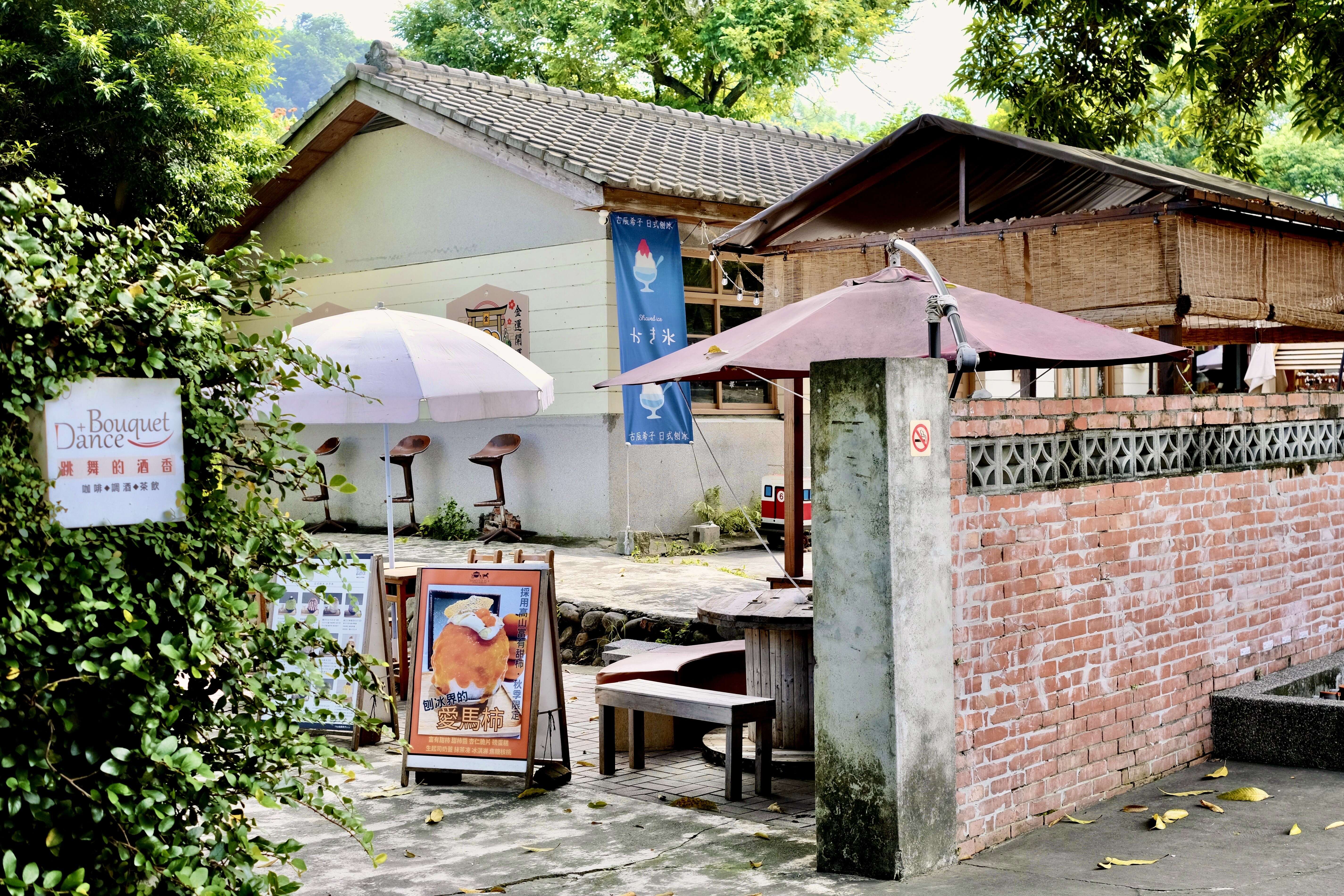
Walking through the alleys of Guangfu New Village, people find various handmade shops, cafes, dessert stores, and snacks from the military dependents' village. In the evening, the interplay of light and shadow on red bricks and wooden doors creates a perfect setting to slow down and enjoy a cup of coffee or ice cream. If visitors go on weekends, there will be occasional fairs.
DAY 2|Wufeng Mushroom Museum → Wufeng Public Market(Lunch)→ Wufeng Lin Family Nourishment Orchard → Wufeng Lin Family Gongbaodi Park → Wufeng Xian-Tang Lin Museum Park
Science and Development from Fungi to the Mushroom Industry
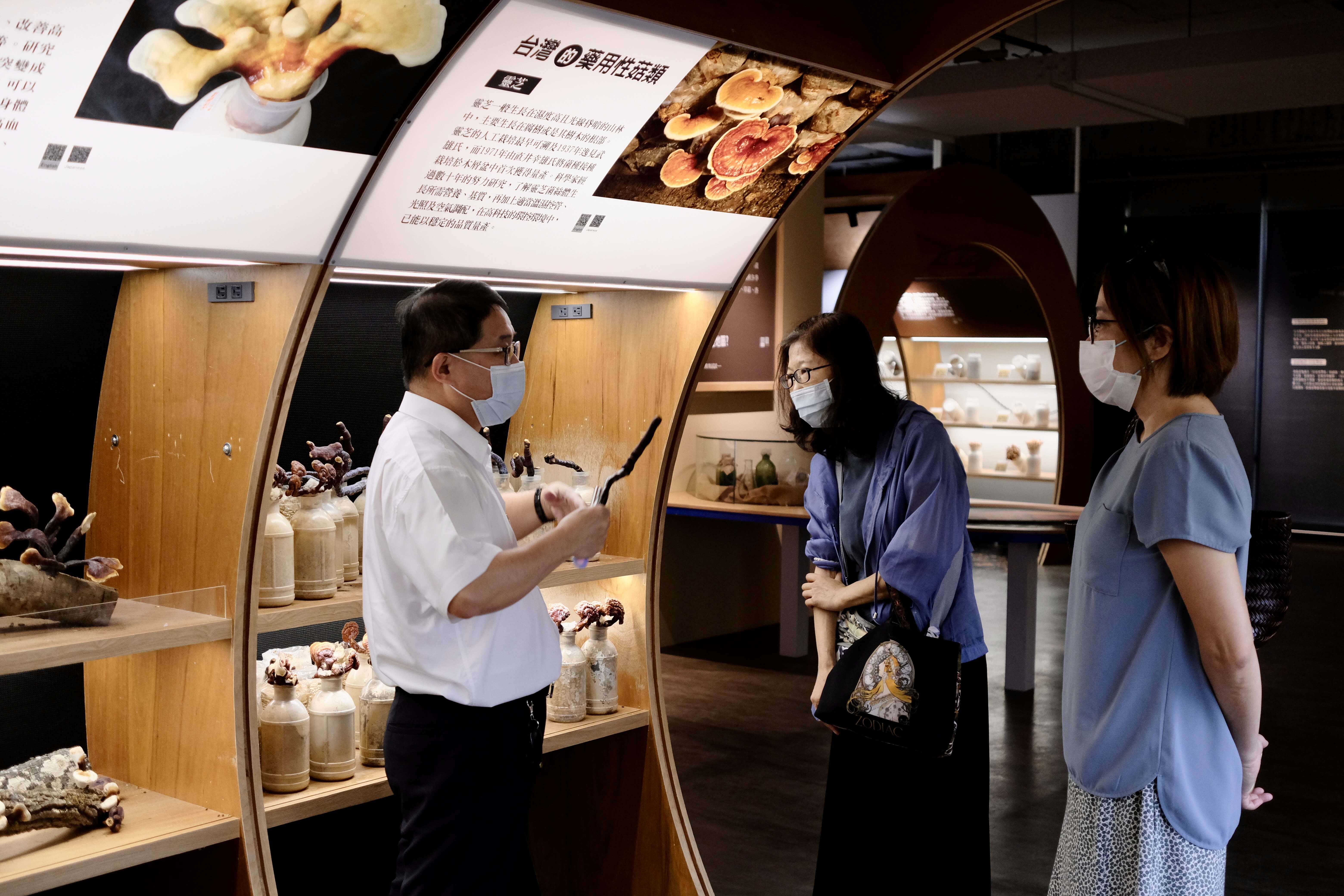
The following morning, visitors begin by learning about the story of fungi and the land. Located on the sixth floor of the Wufeng Farmers' Association building, the Wufeng Mushroom Museum features exquisite mushroom exhibits and a detailed presentation of the development of the Wufeng mushroom industry.
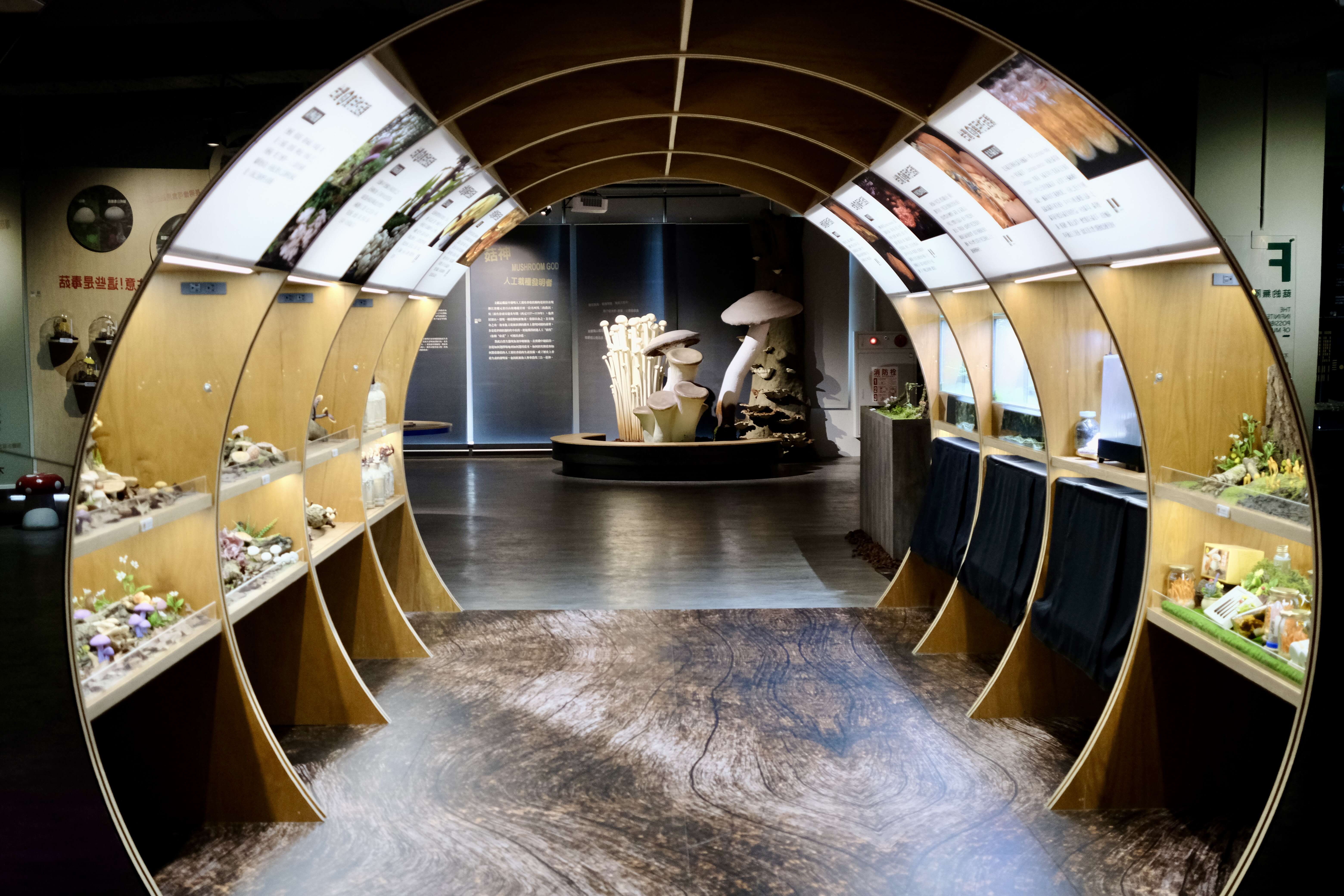
After the successful cultivation of Taiwan's first "button mushroom" at the Taiwan Agricultural Research Institute, Ministry of Agriculture, mushrooms became an essential economic crop in the area. In the 1950s, thanks to government support and farmers' efforts, Taiwan's mushroom industry developed rapidly, earning it the nickname "Mushroom Kingdom." Now, this industrial history has become an educational exhibition space. The museum offers professional guided tours in which guides explain the science of mushrooms in a simple, easy-to-understand way, incorporating current events to give visitors a deeper understanding of the world of mushrooms.
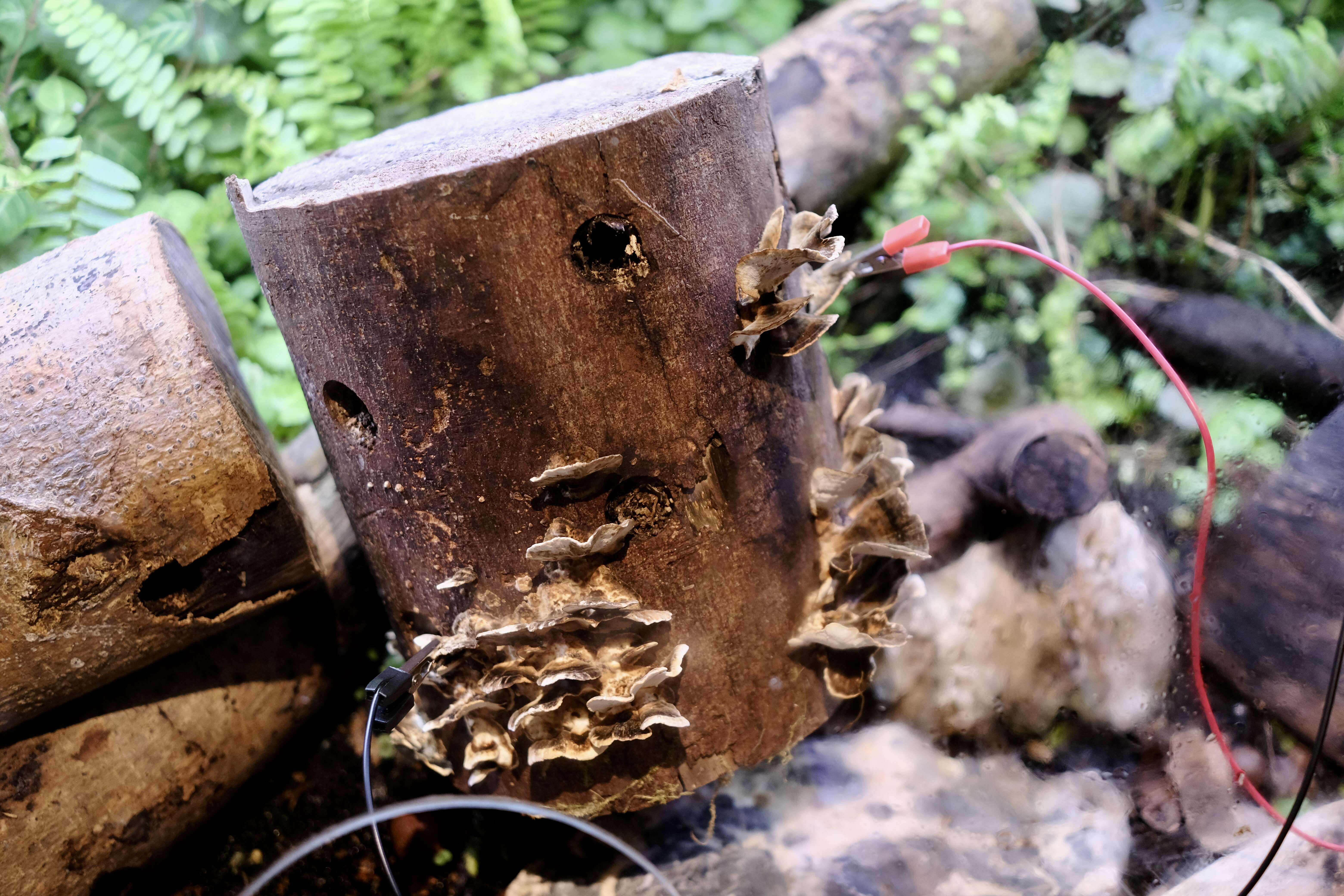
After the tour, visitors can also visit the Exhibition and Sales Center of the Wu-Feng Farmers' Association on the first floor to purchase locally produced dried shiitake mushrooms and other snacks as souvenirs, bringing home Wufeng's specialty agricultural products to enjoy.
Tasting Snacks at Wufeng Public Market
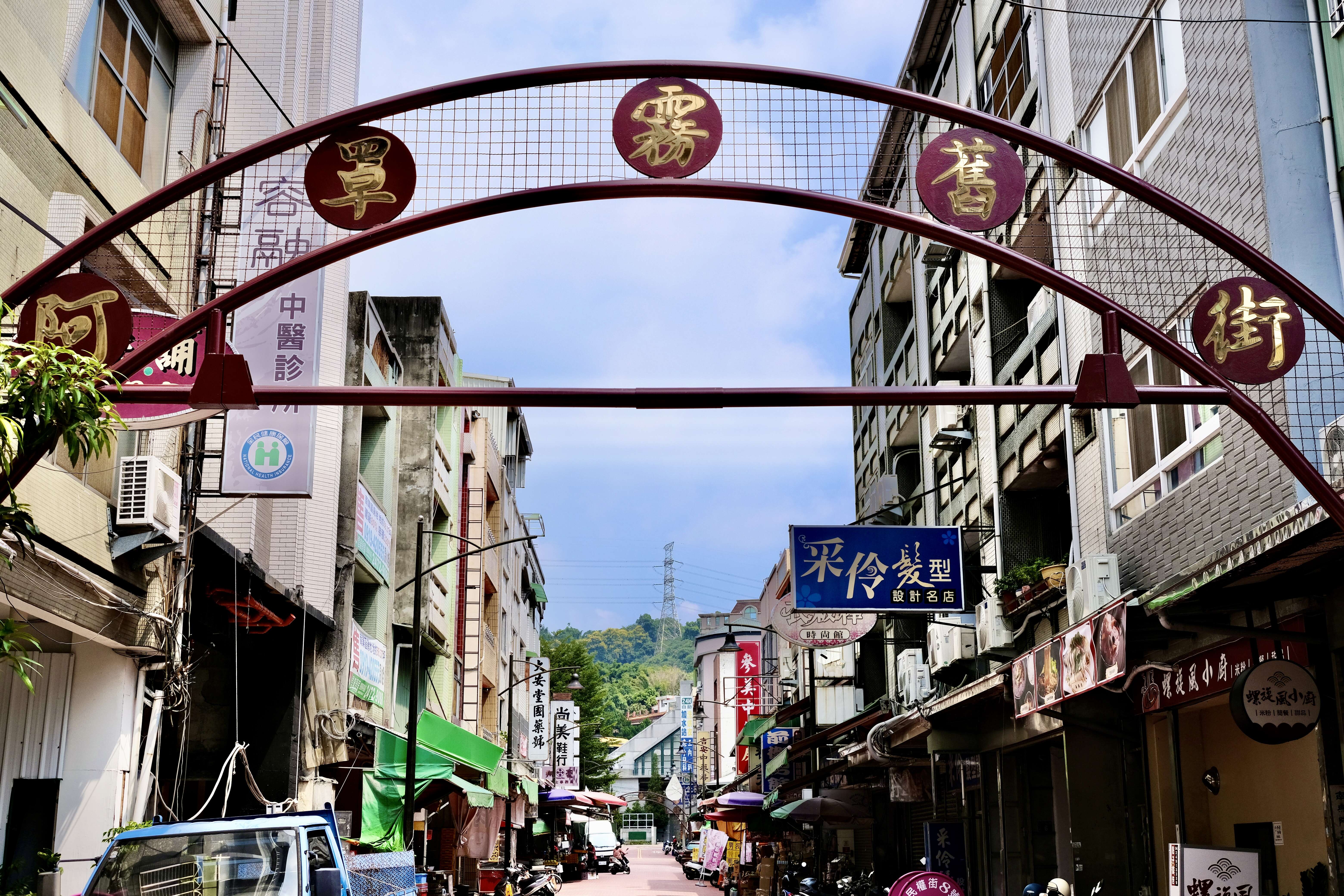
For lunch, visitors can head to the Wufeng Public Market, a perfect place to experience the authentic local lifestyle. During the Japanese colonial period, this was the largest marketplace in the Tun District. Today, the market remains a vibrant hub, filled with the lively banter of vendors and locals. It is highly recommended to seek out the many old food stalls hidden within the market:Yuechun stir-fried noodles, savory rice pudding, and Taiwanese sticky rice from Heji Rice Products, and drinks from Wufeng Milk King. Combining the three is a rich market taste tour.
An Ataabu's Century-Old Family
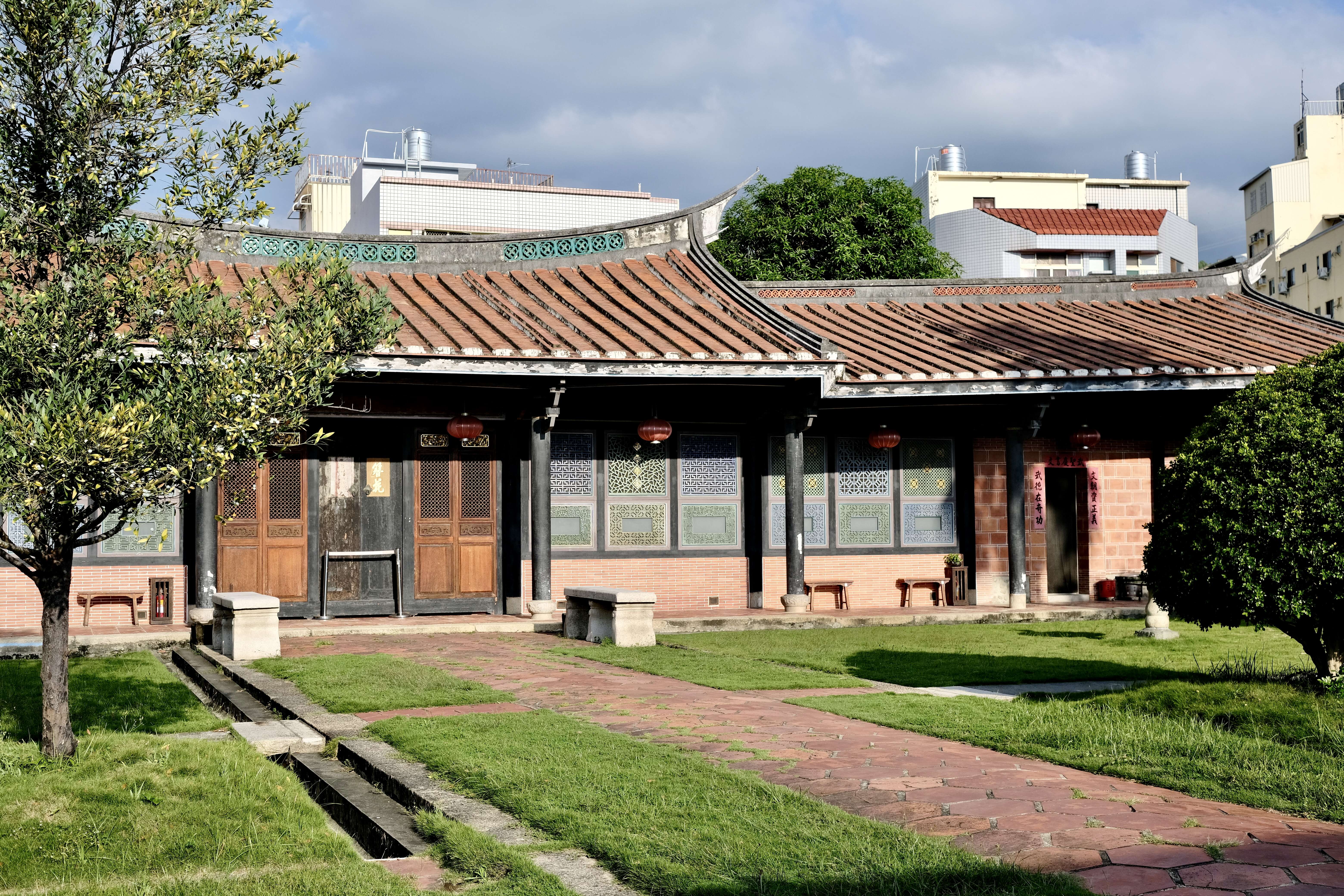
Leaving the bustling and welcoming traditional market, we now shift our focus from everyday life to the historical and cultural landmark of Wufeng – Lin Family Mansion and Garden, a family that has witnessed Wufeng's development and cultural heritage over the past century.
The Wufeng Lin Family is one of the five most important families in Taiwanese history. Starting in the 19th century, the Lin family gained the right to organize an army and operate a camphor business by assisting the government in resolving local unrest and foreign wars, making them the most powerful family during the Qing Dynasty.
The historical buildings of the Lin Family Mansion and Garden are mainly divided into three areas: the “Lower Mansion,” the “Upper Mansion,” and “Laiyuan.” These areas are currently managed by different entities. Today, these areas are managed by different entities; visitors should note that separate admission tickets are required for each section.
Wufeng Lin Family Nourishment Orchard, a Garden that Blends Japanese and Western Styles
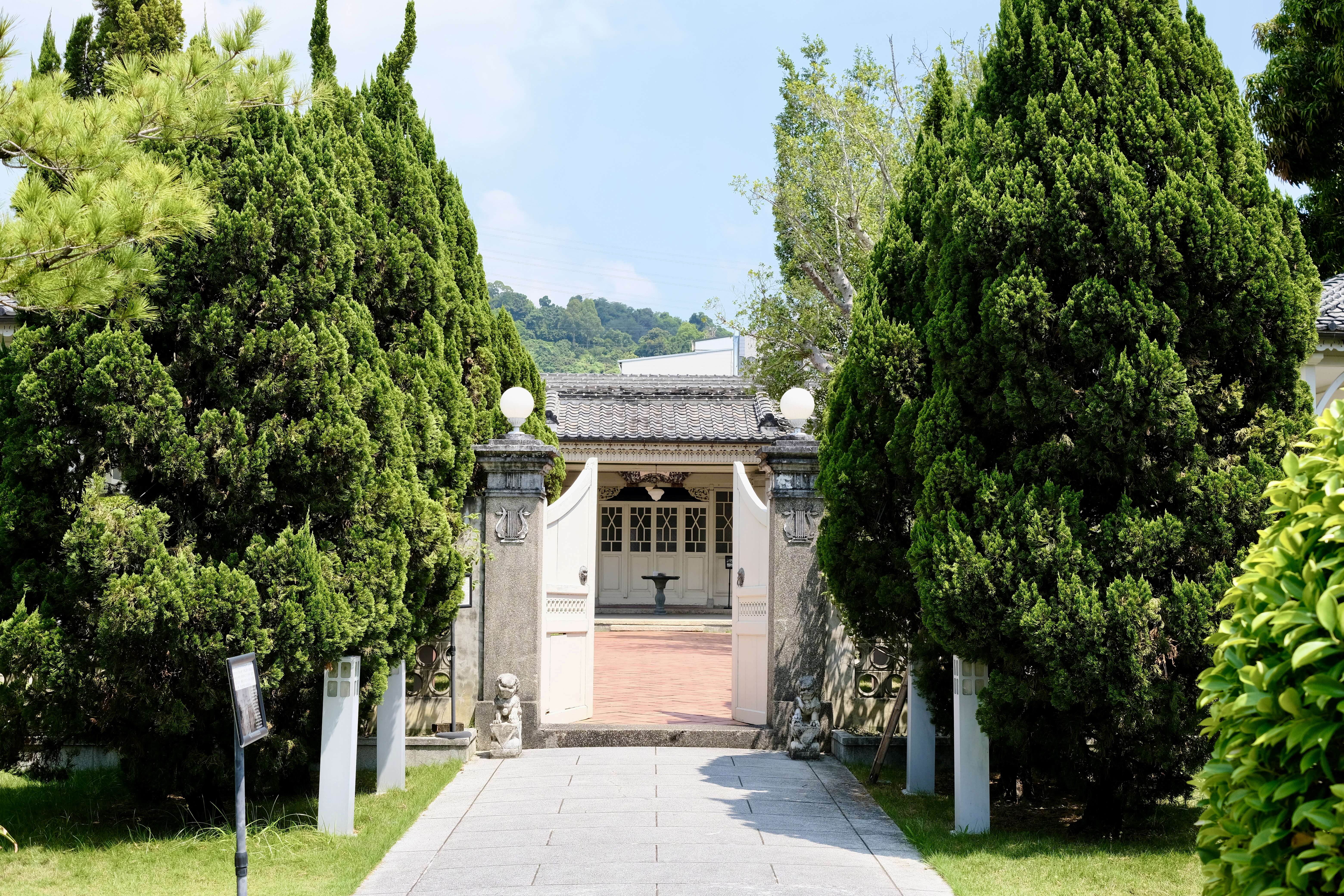
Wufeng Lin Family Nourishment Orchard, located within the Upper Mansion of the Wufeng Lin Family Mansion and Garden, is one of the newer buildings in the area. Influenced by European Baroque architecture in the early 20th century, Wufeng Lin Family Nourishment Orchard stands out from other architectural complexes, offering a popular and grand blend of Japanese and Western styles and a strong contemporary character. Initially serving as the barn and guest rooms of the Upper Mansion, and a place for Mr. Ji-Tang Lin to relax, it later became a venue for receiving officials and county councilors seeking advice.
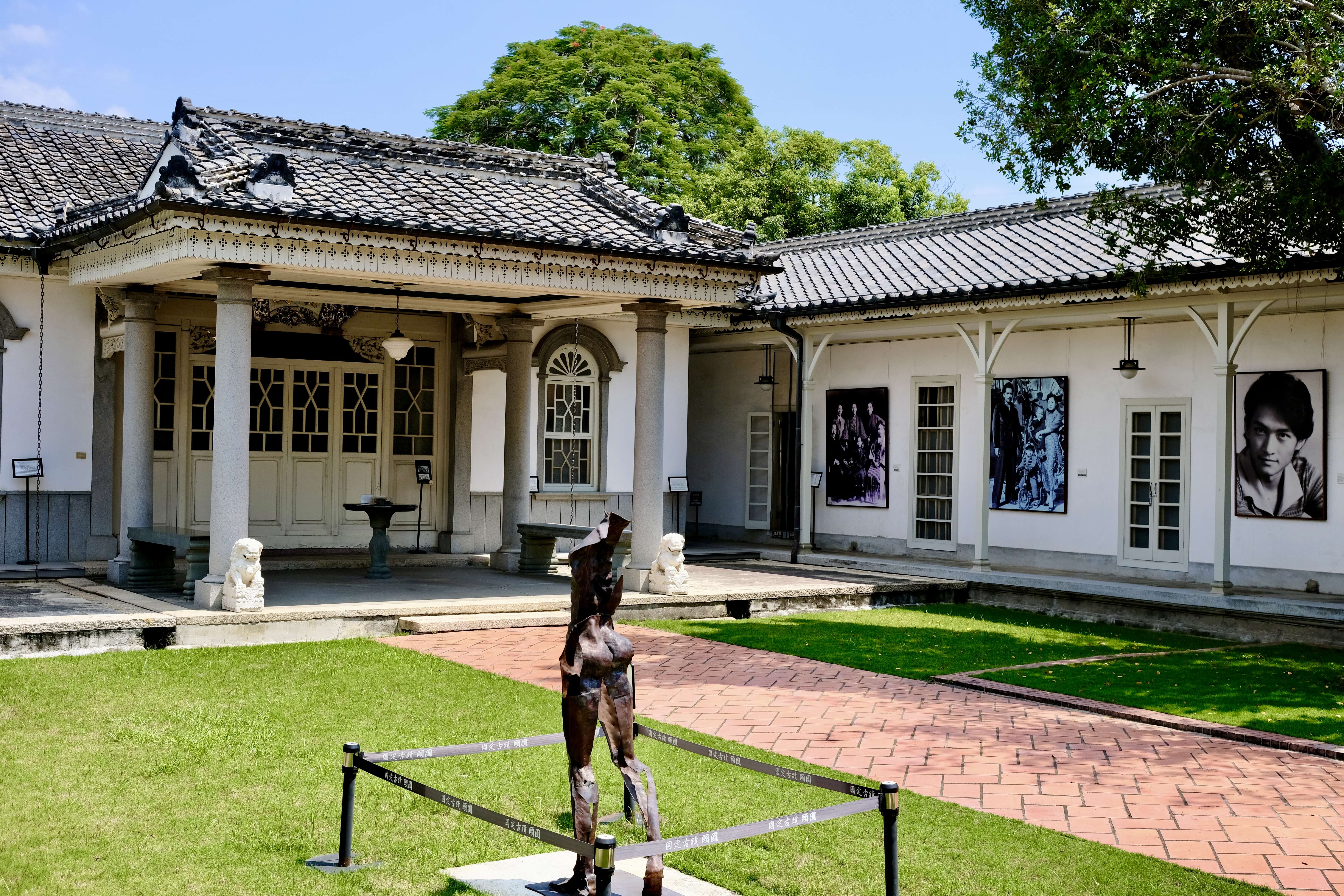
Today, the owner (a descendant of Ji-Tang Lin) has a particular fondness for art and culture. The garden displays many art pieces, including paintings by Shih-Chiao Lee and Chih-chi Chen, as well as sculptures by Ming Ju, for public enjoyment. A vegetarian-inclined diet restaurant is also nearby, allowing visitors to sit down and rest after their visit.
Wandering in the Wufeng Lin Family Mansion and Garden
The itinerary for another area of the Upper Mansion system of the Wufeng Lin Family Garden consists of the Tower of Prospective Fragrance Building, the Wufeng Xian-Tang Lin Museum, Laiyuan, and the Hibiscus-Mirror Studio. Xian-Tang Lin was a renowned cultural and political leader in modern Taiwanese history and a representative of the Lin family spirit. His former residence, the Tower of Prospective Fragrance Building, is the most important residential building in the Upper Mansion. To make the house appear brighter, he painted the pillars with a shade of indigo called "Central Blue," which was imitated by the residents of Wufeng at the time. People can find similar decorative features in places like the Shengang Xiaoyun Villa, a city historic site.
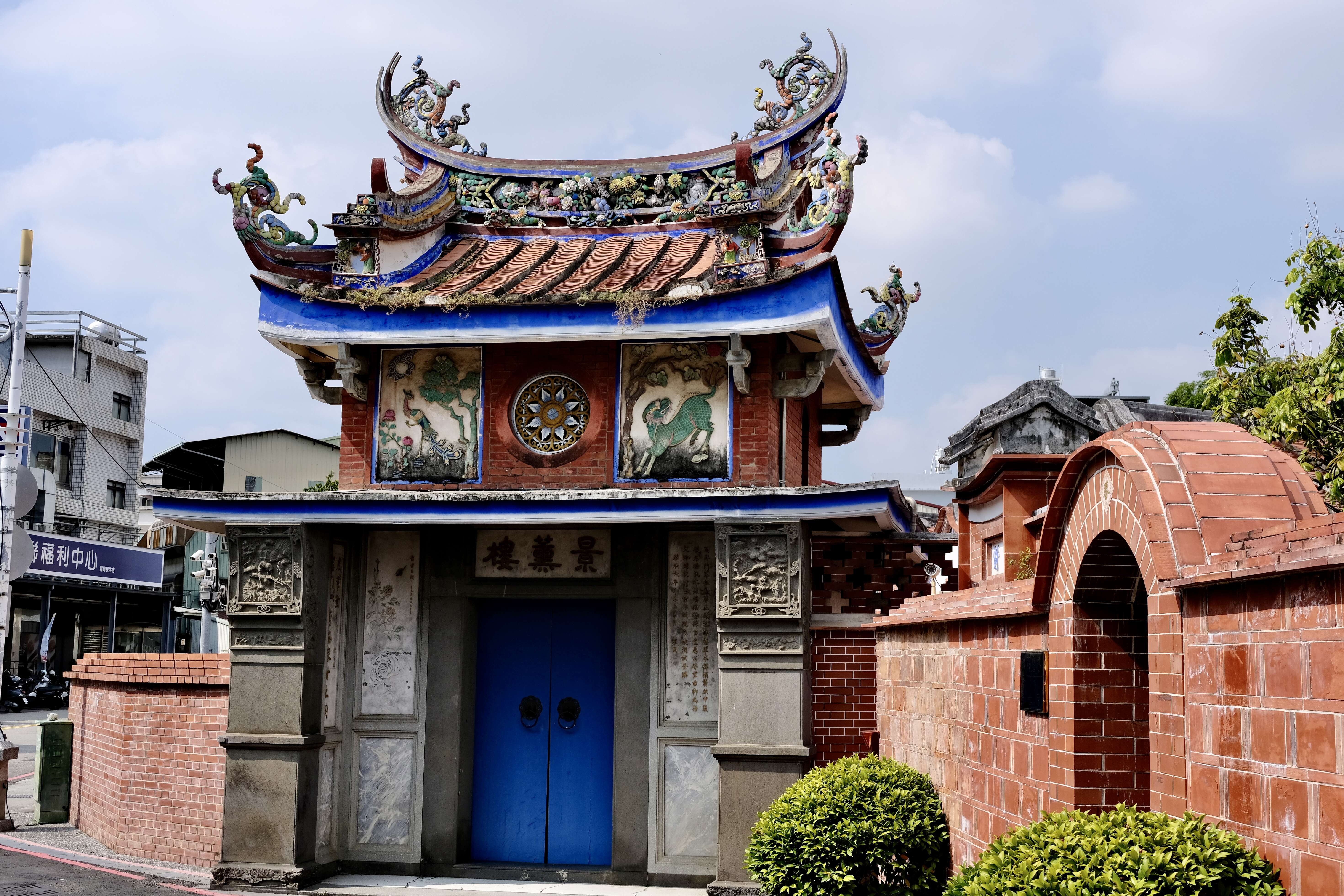
The Tower of Prospective Fragrance Building was originally a house built with adobe bricks and straw. Later, Wen-Qin Lin renovated it into a private academy with red tiles and adobe bricks, where the Lin family nurtured talents. Its name, Tower of Prospective Fragrance Building, is taken from an ancient story. During the February 28 Incident, people said that Mr. Yen Chia-Kan once sought refuge here, further enhancing the place's historical significance. After the 921 earthquake, the building underwent more than 10 years of reconstruction, using Taiwan cypress wood, and was restored to its original appearance, recreating the historical and elegant atmosphere of the academy.
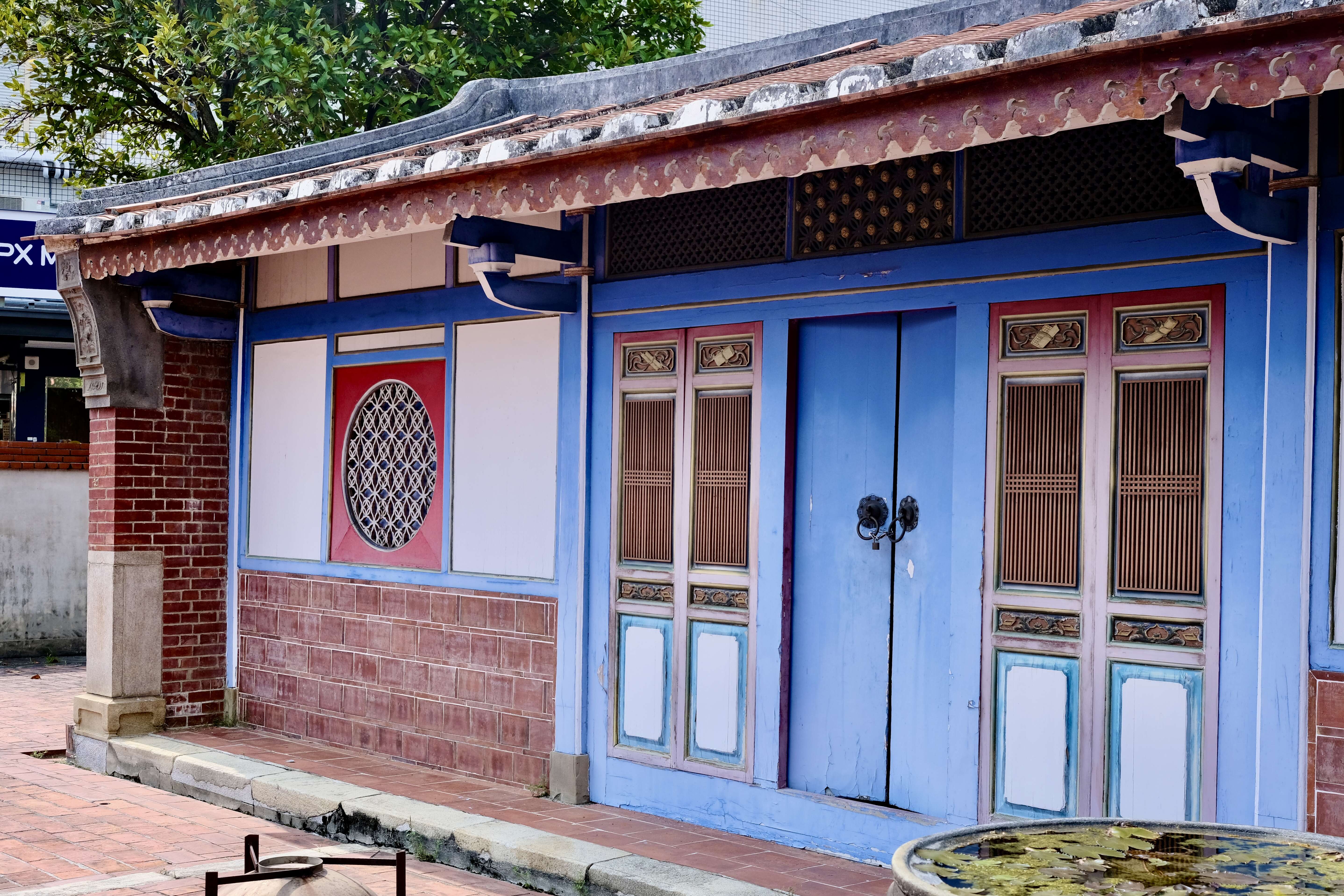
Laiyuan is the back garden of the Wufeng Lin Family Mansion and Garden, built by Wen-Qin Lin to honor his mother and named after an ancient story of filial piety. The garden contains pavilions, bridges, and streams. In the past, women washed clothes by the stream, and literati gathered here to write poetry, but now it is on the campus of Ming Tai High School. Here, the landscape combines natural mountains and rivers with cultural history, showcasing the most harmonious fusion of humanity and nature in the Wufeng Lin Family Garden complex.
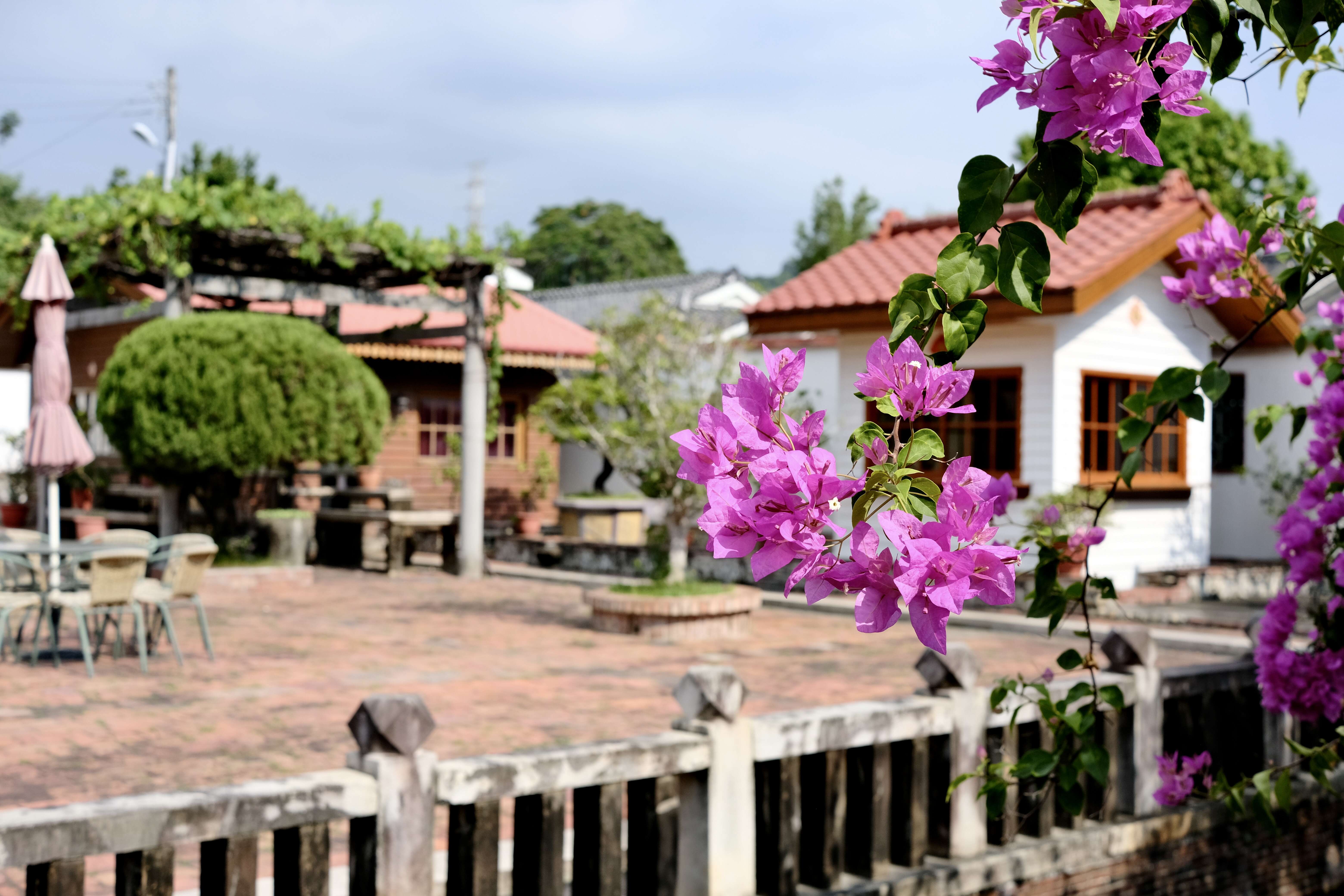
The nearby Wufeng Xian-Tang Lin Museum Park preserves the Lin family's historical documents and everyday items. The museum displays Lin Xian-Tang's manuscripts, letters, diaries, and correspondence with overseas contacts, showcasing his roles as both a family leader and an intellectual. The interior is designed simply, evoking the atmosphere of a traditional study.
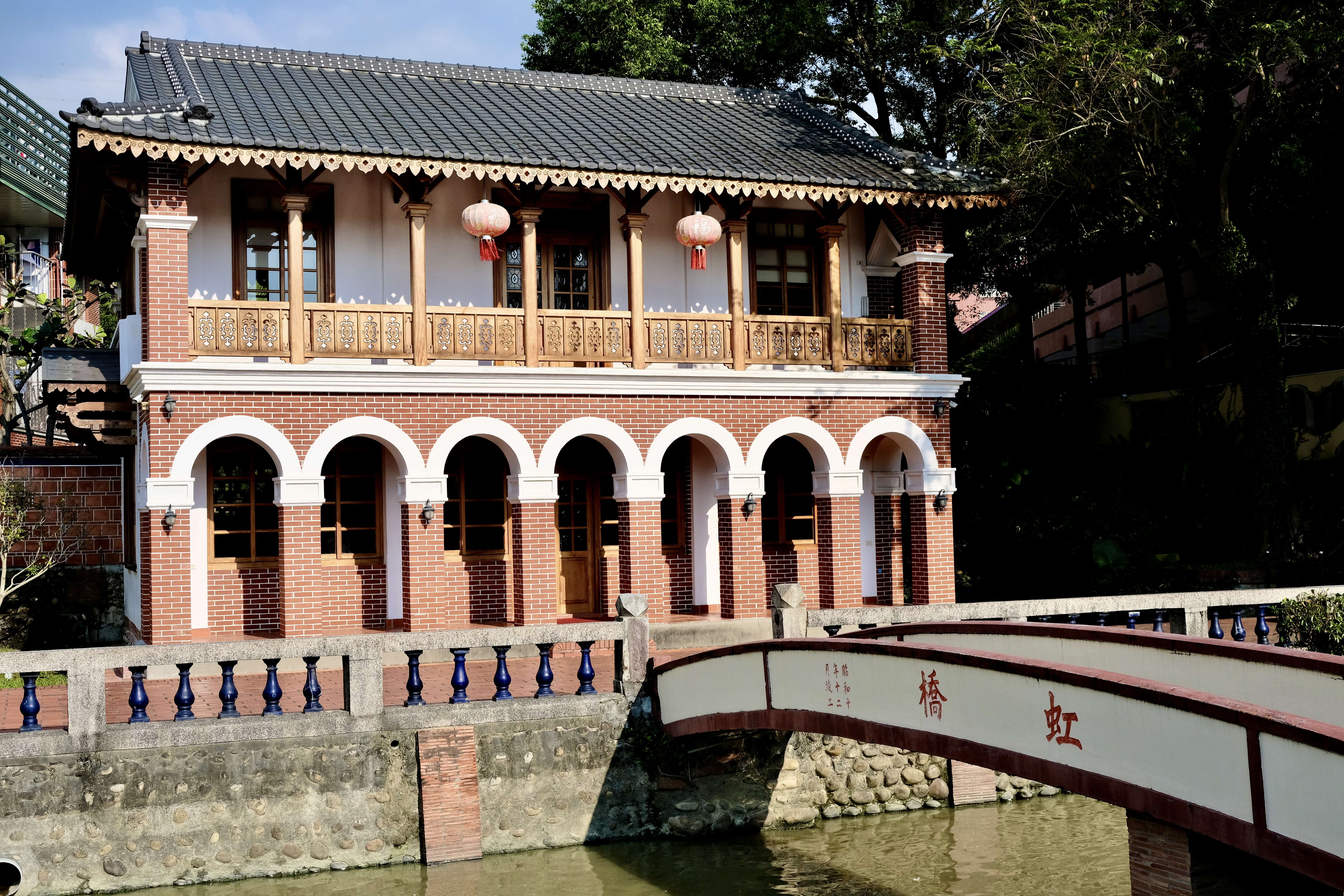 Wufeng Lin Family Gongbaodi Park's Social Life Theater
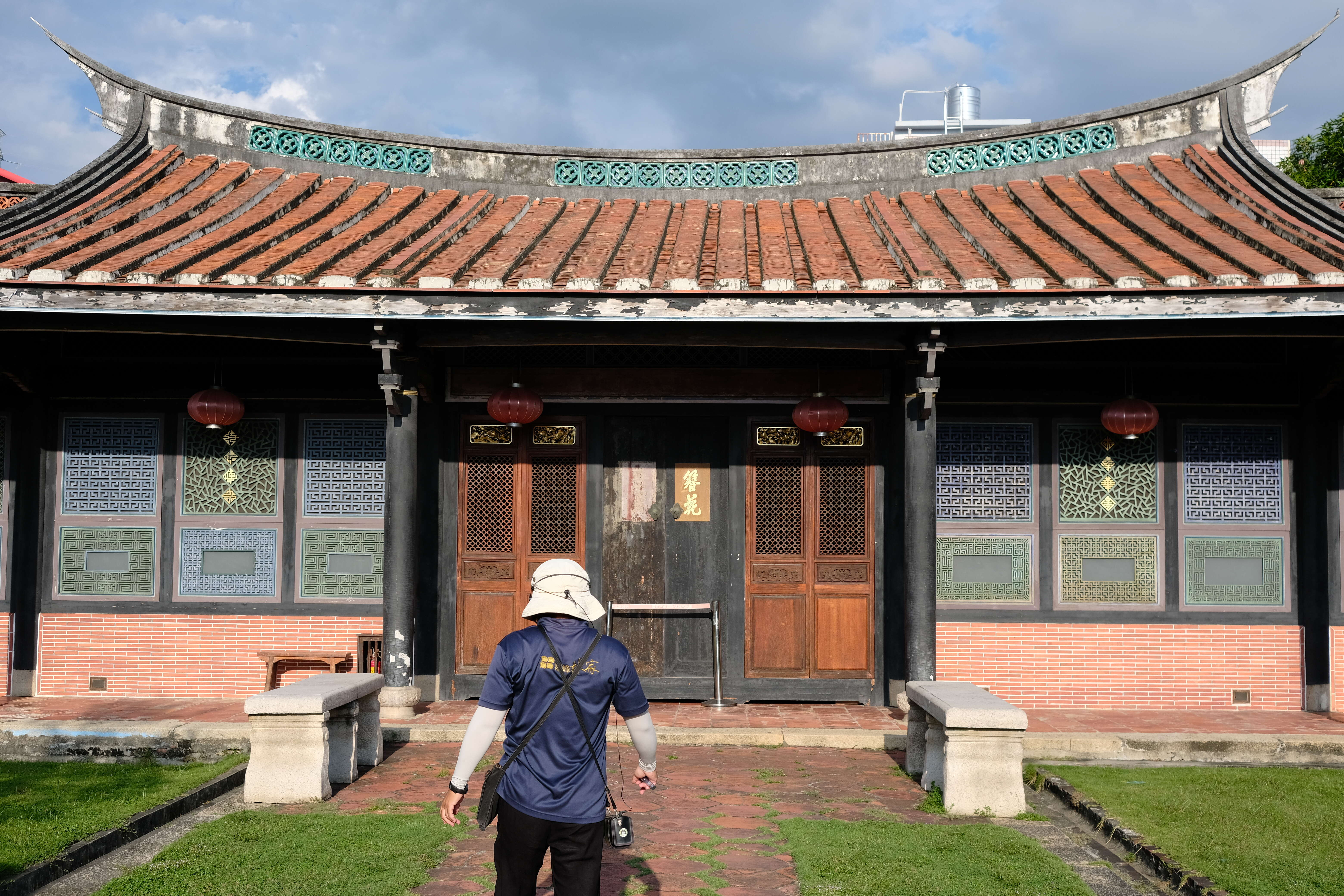
Coming to the Lower Mansion system in Wufeng, the architectural community in Gongbaodi Park includes "Gongbaodi, Great Flower Hall, and Caocuo." Walking in the Park feels like stepping into a historical scene from more than 100 years ago. Gongbaodi's architectural space is symmetrical on both sides, a special feature of the residences of senior officials in the Qing Dynasty.
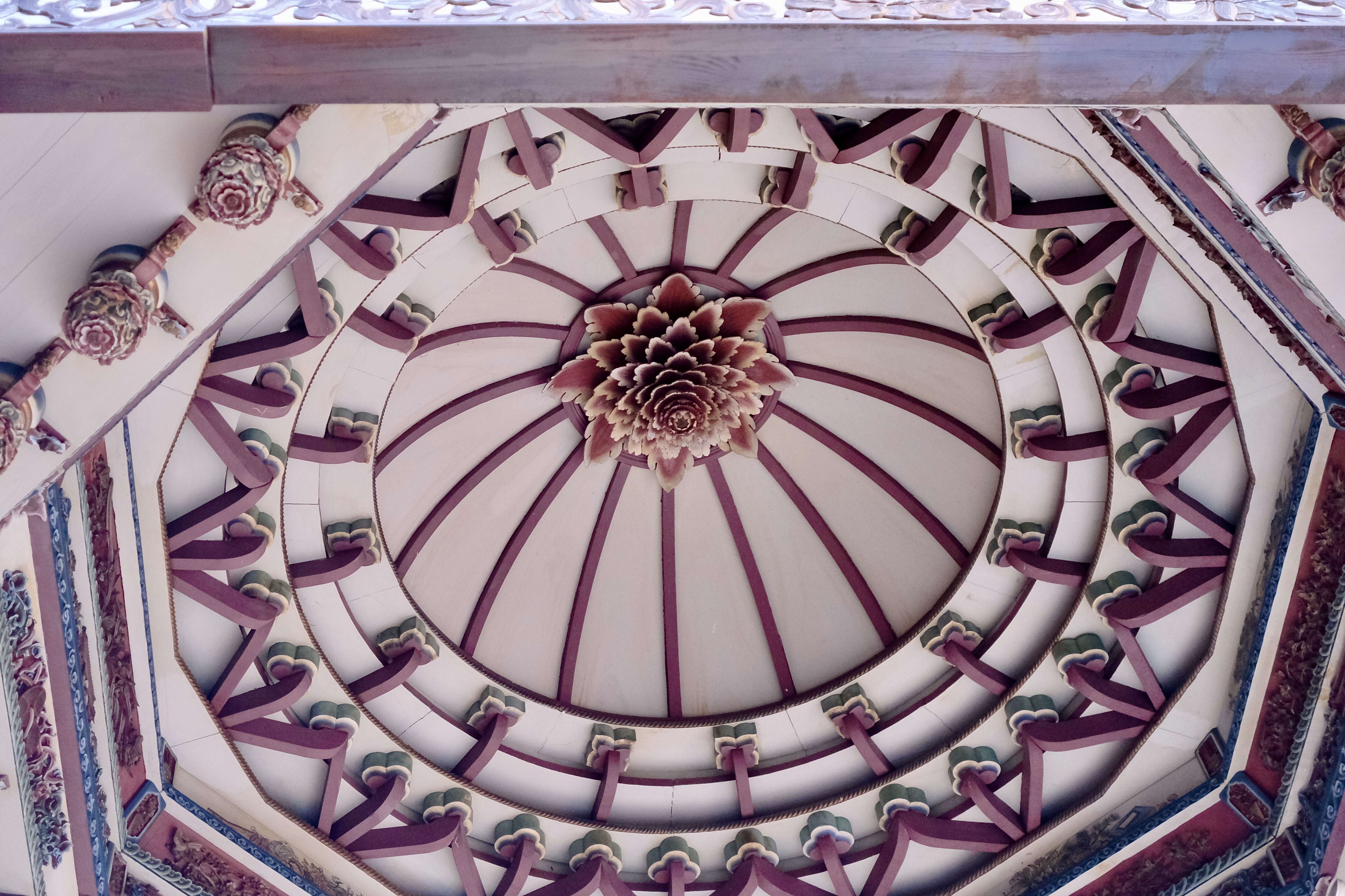
Entering the Great Flower Hall, visitors can see peony flowers carved into the octagonal caisson ceiling, symbolizing wealth. It used to be a lively place for the Lins to hold banquets and watch plays. Caocuo is the earliest place where the Lins lived. The Sanheyuan and the thatched roof preserved the family's early life. Walking in the Park, visitors can enjoy the architectural design and historical stories of the Lins at the same time.
The most attractive part of Wufeng is not its bustling business district, but its quiet, profound history and culture. If visitors are willing to slow down and feel it with curiosity, they can see the depth of life and culture in the stratigraphic memory, the years of the military dependents' village, the dialogue of architectural art, and the story of family and land, which is the most fascinating place in Wufeng.
![[Limited in Wufeng] Embark on an adventure through](https://www.trimt-nsa.gov.tw/_api/content/images/tours/126079/480x360_tours-image-lpbtan7sokixtybsw162ng.jpg)
![[Limited in Wufeng] Embark on an adventure through](https://www.trimt-nsa.gov.tw/_api/content/images/tours/126073/480x360_tours-image-l6u6j0jk6uyyenhleb_ocq.jpg)
![[Limited in Wufeng] Embark on an adventure through](https://www.trimt-nsa.gov.tw/_api/content/images/tours/126071/480x360_tours-image-axjn-6xzbkiard8h6hqhsw.jpg)
![[Limited in Wufeng] Embark on an adventure through](https://www.trimt-nsa.gov.tw/_api/content/images/tours/126070/480x360_tours-image-uosww3iynkoflsclbzhaag.jpg)
![[Limited in Wufeng] Embark on an adventure through](https://www.trimt-nsa.gov.tw/_api/content/images/tours/126061/480x360_tours-image-b5kj83f__kghb8d3-yvunq.jpg)
![[Limited in Wufeng] Embark on an adventure through](https://www.trimt-nsa.gov.tw/_api/content/images/tours/126059/480x360_tours-image-whvxn725c0yuiosvtgju-g.jpeg)
![[Limited in Wufeng] Embark on an adventure through](https://www.trimt-nsa.gov.tw/_api/content/images/tours/126058/480x360_tours-image-ncgjifkmy0sdeoh7bhjzra.jpg)
![[Limited in Wufeng] Embark on an adventure through](https://www.trimt-nsa.gov.tw/_api/content/images/tours/126055/480x360_tours-image-bbu7h5gv0uojcf8cqbi_yq.jpg)
![[Limited in Wufeng] Embark on an adventure through](https://www.trimt-nsa.gov.tw/_api/content/images/tours/126052/480x360_tours-image-bozq3ybf7uub4fm11unbeq.jpeg)
![[Limited in Wufeng] Embark on an adventure through](https://www.trimt-nsa.gov.tw/_api/content/images/tours/126272/480x360_tours-image-v8h1zfr5b0myccvcdr6xew.jpg)
![[Limited in Wufeng] Embark on an adventure through](https://www.trimt-nsa.gov.tw/_api/content/images/tours/126122/480x360_tours-image-bvdoi53xv06togg8ifc1qw.jpg)
![[Limited in Wufeng] Embark on an adventure through](https://www.trimt-nsa.gov.tw/_api/content/images/tours/126117/480x360_tours-image-ejw7tdxlok2xwnvvazkz0g.jpg)
![[Limited in Wufeng] Embark on an adventure through](https://www.trimt-nsa.gov.tw/_api/content/images/tours/126115/480x360_tours-image-dqm2e9ws-kmmkocycr8ztq.jpg)
![[Limited in Wufeng] Embark on an adventure through](https://www.trimt-nsa.gov.tw/_api/content/images/tours/126114/480x360_tours-image-5w4xt2kwhuo8cs4wts7gww.jpg)
![[Limited in Wufeng] Embark on an adventure through](https://www.trimt-nsa.gov.tw/_api/content/images/tours/126111/480x360_tours-image-yzd0nandl0qiy89hhkmj2a.jpg)
![[Limited in Wufeng] Embark on an adventure through](https://www.trimt-nsa.gov.tw/_api/content/images/tours/126108/480x360_tours-image-_bwud2zpl0-wifuok50xaq.jpg)
![[Limited in Wufeng] Embark on an adventure through](https://www.trimt-nsa.gov.tw/_api/content/images/tours/126105/480x360_tours-image-mvzu9-bu702ichomb1bzoa.jpg)
![[Limited in Wufeng] Embark on an adventure through](https://www.trimt-nsa.gov.tw/_api/content/images/tours/126097/480x360_tours-image-zfuyg66yqesana1czxyhra.jpg)
![[Limited in Wufeng] Embark on an adventure through](https://www.trimt-nsa.gov.tw/_api/content/images/tours/126096/480x360_tours-image-l5eppg9ru0ki7qlec2ey1q.jpg)
![[Limited in Wufeng] Embark on an adventure through](https://www.trimt-nsa.gov.tw/_api/content/images/tours/126092/480x360_tours-image-zwktlyimmkiqmzkktefgha.jpg)
![[Limited in Wufeng] Embark on an adventure through](https://www.trimt-nsa.gov.tw/_api/content/images/tours/126089/480x360_tours-image-eicq6yf6-0ahuxtr0cf_pa.jpg)
![[Limited in Wufeng] Embark on an adventure through](https://www.trimt-nsa.gov.tw/_api/content/images/tours/126087/480x360_tours-image-yjaev219v0cyu2_pcg98yg.jpg)
![[Limited in Wufeng] Embark on an adventure through](https://www.trimt-nsa.gov.tw/_api/content/images/tours/126085/480x360_tours-image-z263qjhmbu-hhdpuwrobeq.jpg)
![[Limited in Wufeng] Embark on an adventure through](https://www.trimt-nsa.gov.tw/_api/content/images/tours/126081/480x360_tours-image-qadzgmbaj0gwpxgpkiytag.jpg)