Tengping Trail
Today
--°C
--%
Updated:2026-03-20
 4.7
4.7- Hiking Trails
- National Forest Recreation Area
Fun activities
- At the trail entrance, you can see the largest leguminosea plant in Taiwan, the "soap-bark vine."
- The "Tengping Big Rock Wall" is a cavern landscape formed after long-term wind and water erosion.
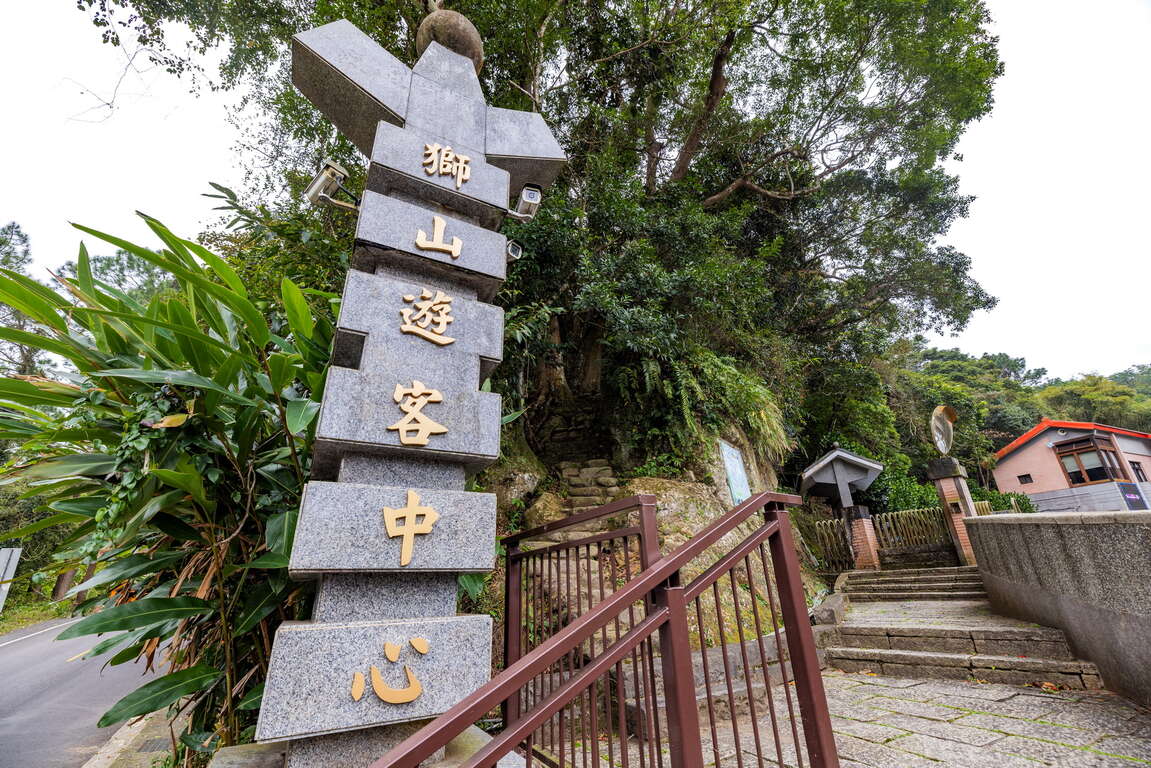
This place was rich in yellow rotating palm in the early days, and the terrain was flat, so it was named "Tengping." The trail entrance is next to the Lion's Head Mountain Visitor Center. Not long after, you will see a 70-year-old soap-bark vine, which is very eye-catching. Stairs and dirt trails intersect along the way. You will reach the exit by passing the viewing deck, the rest platform, and the Tengping Great Rock Wall. Then connect to Liouliao Historic Trail, and you can return to the Visitor Center. It takes about one hour to circle.
The largest leguminous plant in Taiwan of which seeds people can use for Gua Sha treatment (scraping).
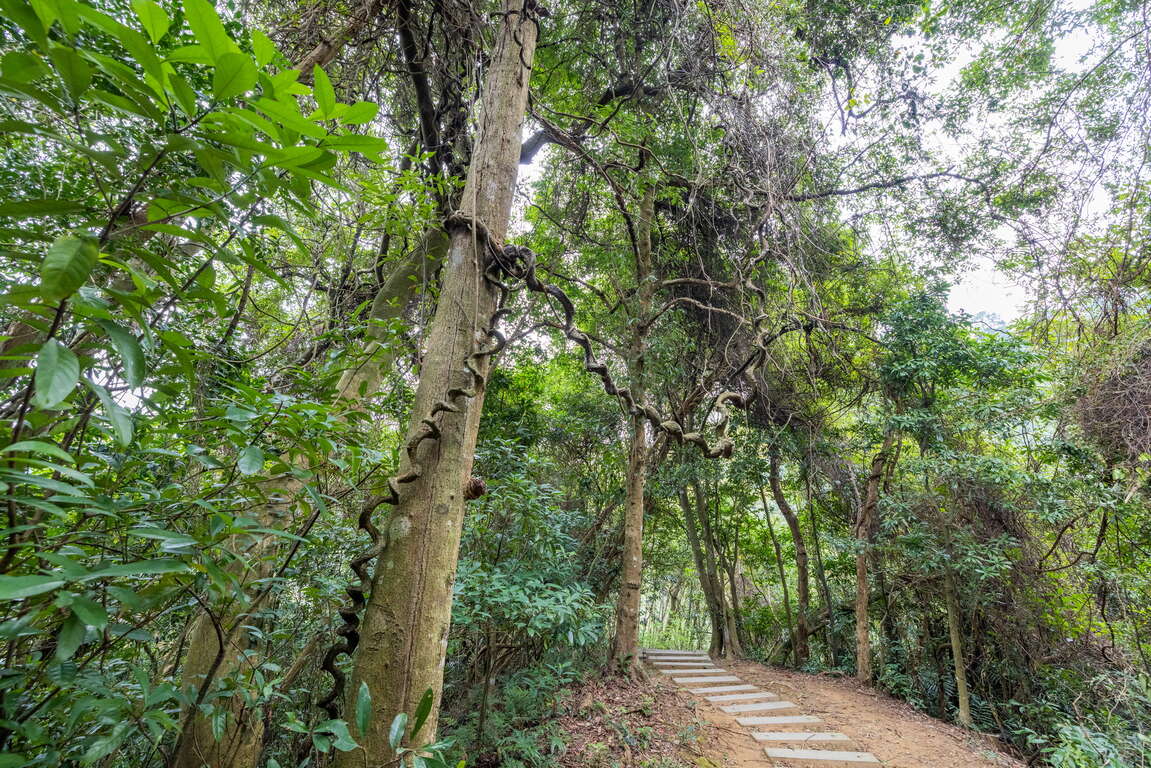
The thick and lush duck tendon vine at the entrance clearly shows the trail. The soap-bark vine is the largest leguminous plant in Taiwan, with a spiral-shaped main stem, large pods, and black seeds, which people used for Gua Sha Treatment in the early days. Besides, you can see various vine plants such as mucuna macrocarpa, yellow rotating palm, and thickfruit millettia along the Tengping Trail.
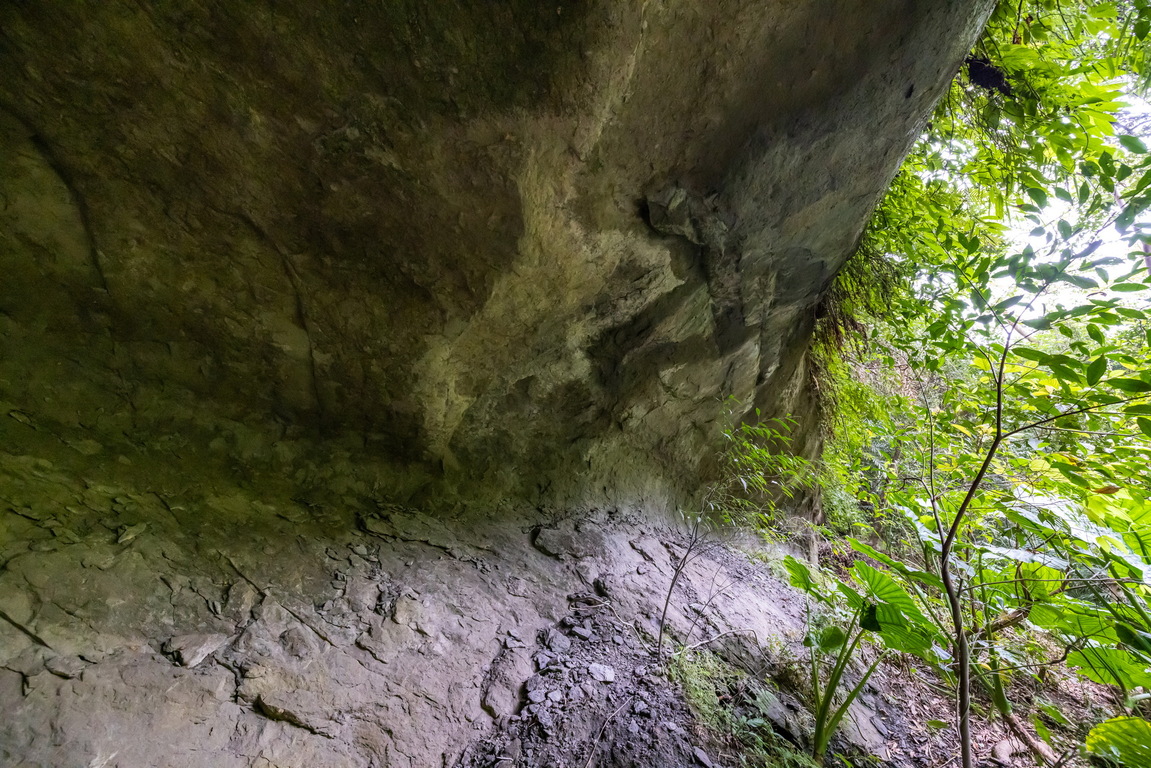
The Tengping Great Rock Wall is a cavern wonder of wind and water erosion.
The next stop on the rest platform, " Tengping Great Rock Wall," is a cavern landscape formed by long-term wind and water erosion. Now covered by lush vegetation, people can still see the rock wall's appearance from certain angles, which is worth a look.
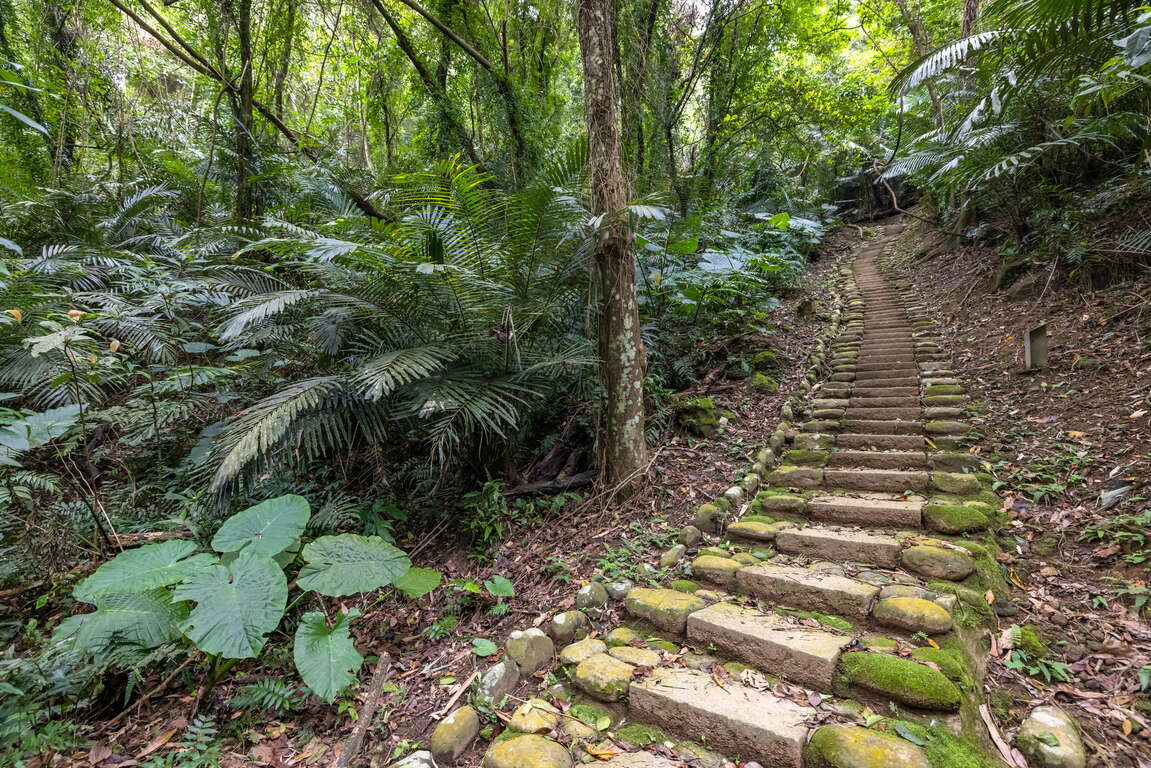
The stone steps behind the great rock wall can lead to the Liouliao Historic Trail. The stone steps and dense vegetation create an ancient atmosphere, but be careful when walking on rainy days as it is slippery.
Information
Open Time
- Sunday:Open 24 hours a day
- Monday:Open 24 hours a day
- Tuesday:Open 24 hours a day
- Wednesday:Open 24 hours a day
- Thursday:Open 24 hours a day
- Friday:Open 24 hours a day
- Saturday:Open 24 hours a day
TEL
886-3-5809296
How to Get There