Hushanyan Recreation Area
Today
--°C
--%
Updates:2026-11-02
 4.5
- Hiking Trails
- Family Tours
- National Forest Recreation Area
Fun activities
- Marvel at a breathtaking golden sea of daylilies blanketing the hillsides every May around Mother's Day.
- Visit one of Changhua County's three great Qing Dynasty temples and experience its solemn, serene beauty.
- Explore the Hushanyan Exhibition Center at Hushan Temple and nearby trails on a leisurely hike through lush greenery.
Located in Huatan Township, Changhua County, Hushan Temple (also known as Hushanyan) is a renowned destination that combines centuries of religious history with a spectacular seasonal flower display. Built in 1747, the 12th year of the Qianlong era of the Qing Dynasty, the temple takes its name from the surrounding hills, said to resemble a crouching tiger. It enshrines Guanyin Bodhisattva and is counted, along with Qingshui Temple and Bishan Temple, among Changhua County's three great temples. Usually tranquil and shaded by towering old trees, the temple exudes an air of solemn serenity; in late spring and early summer, however, the hillside behind it transforms into a dazzling sea of daylilies, drawing visitors eager to see the blooms.
Towering Trees and Classical Temple Architecture Reveal the Quiet Beauty of a Historic Temple
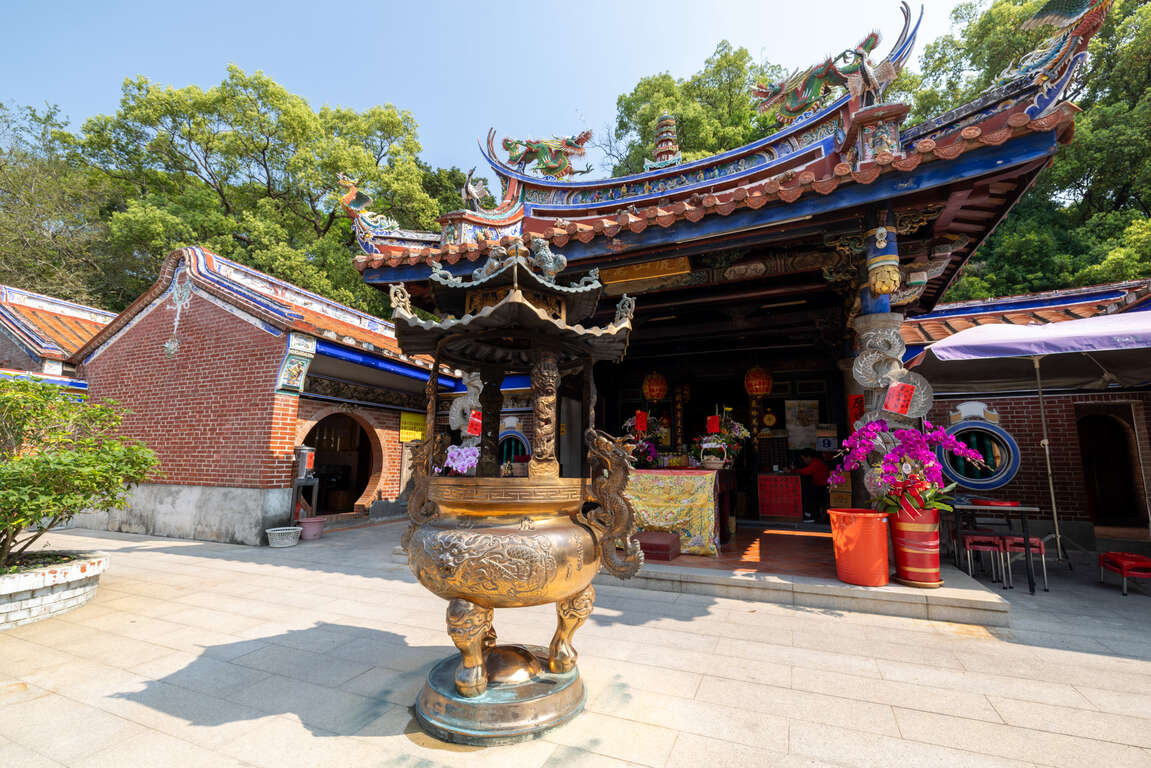
Enter Hushan Temple, where traditional temple architecture in the Minnan Style retains its elegant character. Its wood carving, stone carving, and painting are finely detailed, each bearing the marks of time. In the square before the temple, trees sway gently in the breeze, creating a tranquil retreat far removed from the bustle of everyday life. Behind the temple, well-maintained hiking trails and viewing platforms wind through shaded groves and along ridgelines, offering refreshing breezes and the cleansing scent of phytoncides at every turn. It is a favorite spot for those seeking peace of mind and a leisurely walk.
Spring and Summer Daylilies Bloom in a Dazzling Golden Spectacle
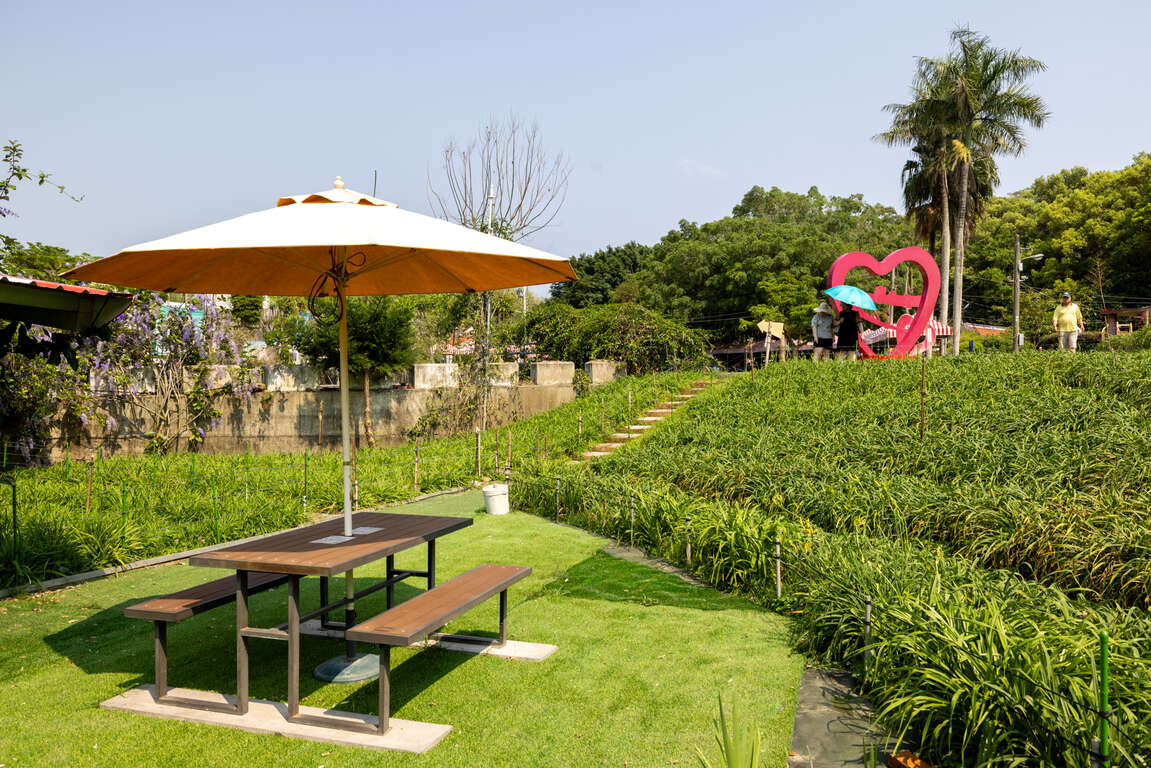
Beyond its historic temple and nature trails, Hushan Temple's most captivating sight in recent years has been the daylilies planted on both sides of the hills. From late April to May, around Mother's Day, more than ten thousand daylilies bloom in succession, covering the green slopes with a dazzling golden carpet that complements the rustic temple architecture. Visitors can immerse themselves in the brilliant flower fields, stop by the Hushanyan Exhibition Center to learn about local history, or sample local agricultural specialties at nearby small farmers' markets, rounding out a short trip rich in both cultural heritage and natural beauty.
Towering Trees and Classical Temple Architecture Reveal the Quiet Beauty of a Historic Temple
Enter Hushan Temple, where traditional temple architecture in the Minnan Style retains its elegant character. Its wood carving, stone carving, and painting are finely detailed, each bearing the marks of time. In the square before the temple, trees sway gently in the breeze, creating a tranquil retreat far removed from the bustle of everyday life. Behind the temple, well-maintained hiking trails and viewing platforms wind through shaded groves and along ridgelines, offering refreshing breezes and the cleansing scent of phytoncides at every turn. It is a favorite spot for those seeking peace of mind and a leisurely walk.
Spring and Summer Daylilies Bloom in a Dazzling Golden Spectacle
Beyond its historic temple and nature trails, Hushan Temple's most captivating sight in recent years has been the daylilies planted on both sides of the hills. From late April to May, around Mother's Day, more than ten thousand daylilies bloom in succession, covering the green slopes with a dazzling golden carpet that complements the rustic temple architecture. Visitors can immerse themselves in the brilliant flower fields, stop by the Hushanyan Exhibition Center to learn about local history, or sample local agricultural specialties at nearby small farmers' markets, rounding out a short trip rich in both cultural heritage and natural beauty.
Information
Open Time
- Sunday:05:00 – 20:00
- Monday:05:00 – 20:00
- Tuesday:05:00 – 20:00
- Wednesday:05:00 – 20:00
- Thursday:05:00 – 20:00
- Friday:05:00 – 20:00
- Saturday:05:00 – 20:00
TEL
886-4-7862054
How to Get There