Museum of Saisiyat Folklore
Today
--°C
--%
Updated:2026-03-20
 4.1
4.1- Tribal Tours
- Historic Sites
Fun activities
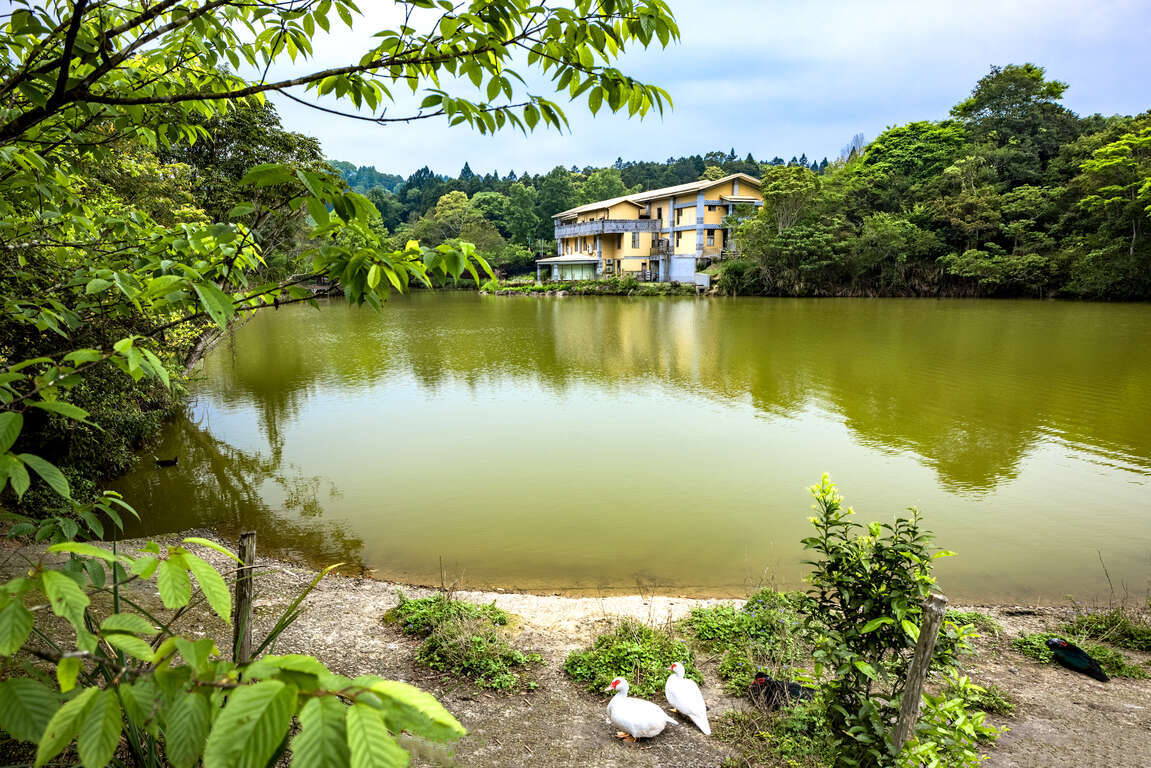
- The outdoor viewing platform on the third floor of the Museum of Saisiyat Folklore offers a panoramic view of Xiangtian Lake.
- You must book in advance for Occasional handmade cultural experiences and art performances.
- The Xiangtian Lake Circle Trail takes about an hour to walk, and the scenery of the lake and mountains is beautiful.
The Saisiyat Tribe of Taiwan is well-known for its biennial Pasta’ay (Ritual to the Spirits of the Short). They mainly live in Wufeng Township, Hsinchu County, Nanzhuang and Shitan Townships, Miaoli County. The tribe in Wufeng Township is close to the Atayal Tribe and is called the "Northern Saisiyat," while the Saisiyat in Nanzhuang Township is close to the Hakka people and is called the "Southern Saisiyat." The Saisiyat population is sparse, so the "Museum of Saisiyat Folklore" was established on the shore of Xiangtian Lake in Miaoli to preserve the precious Saisiyat culture and cultural relics.
Get to know the Saisiyat culture and appreciate the beauty of traditional crafts.
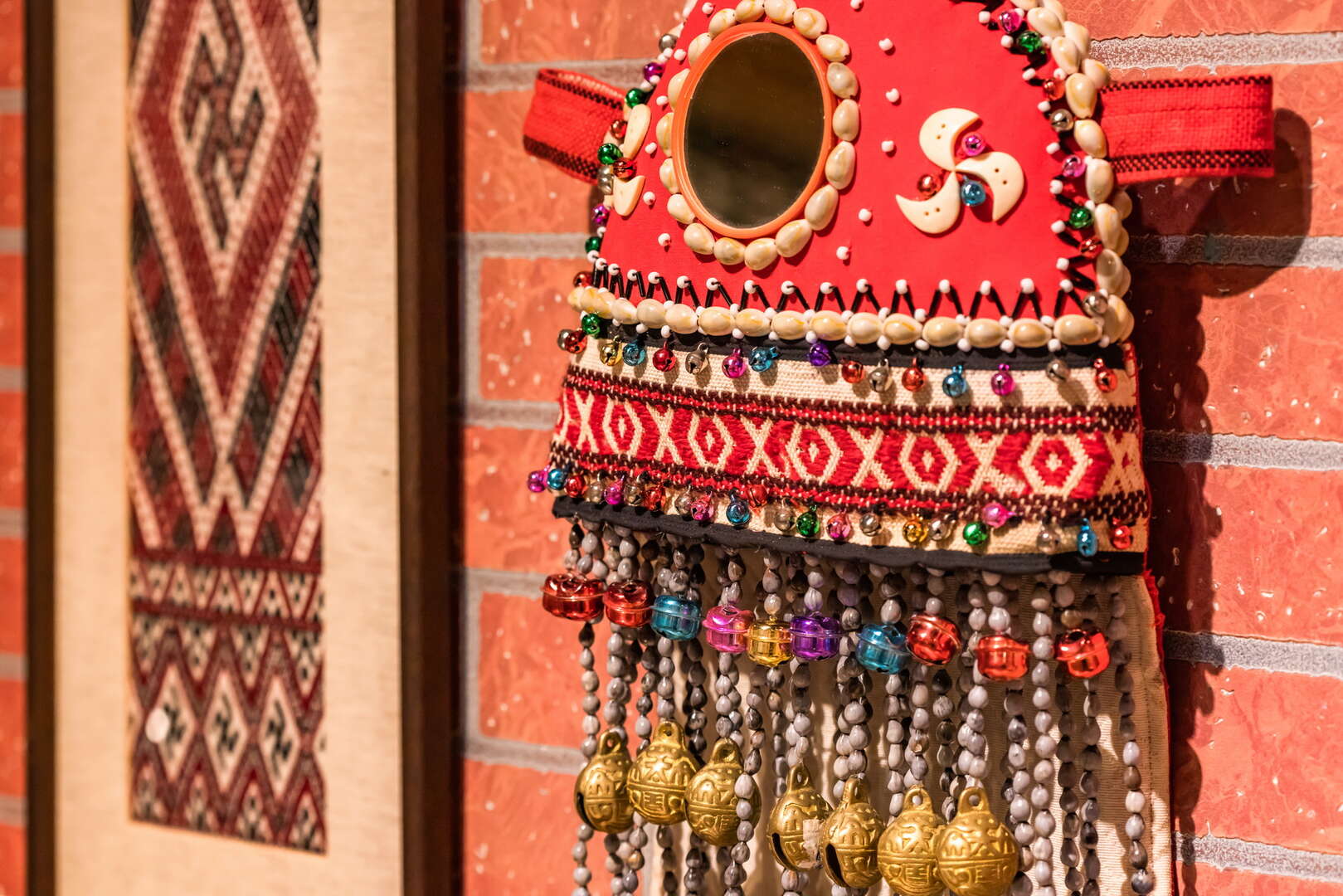
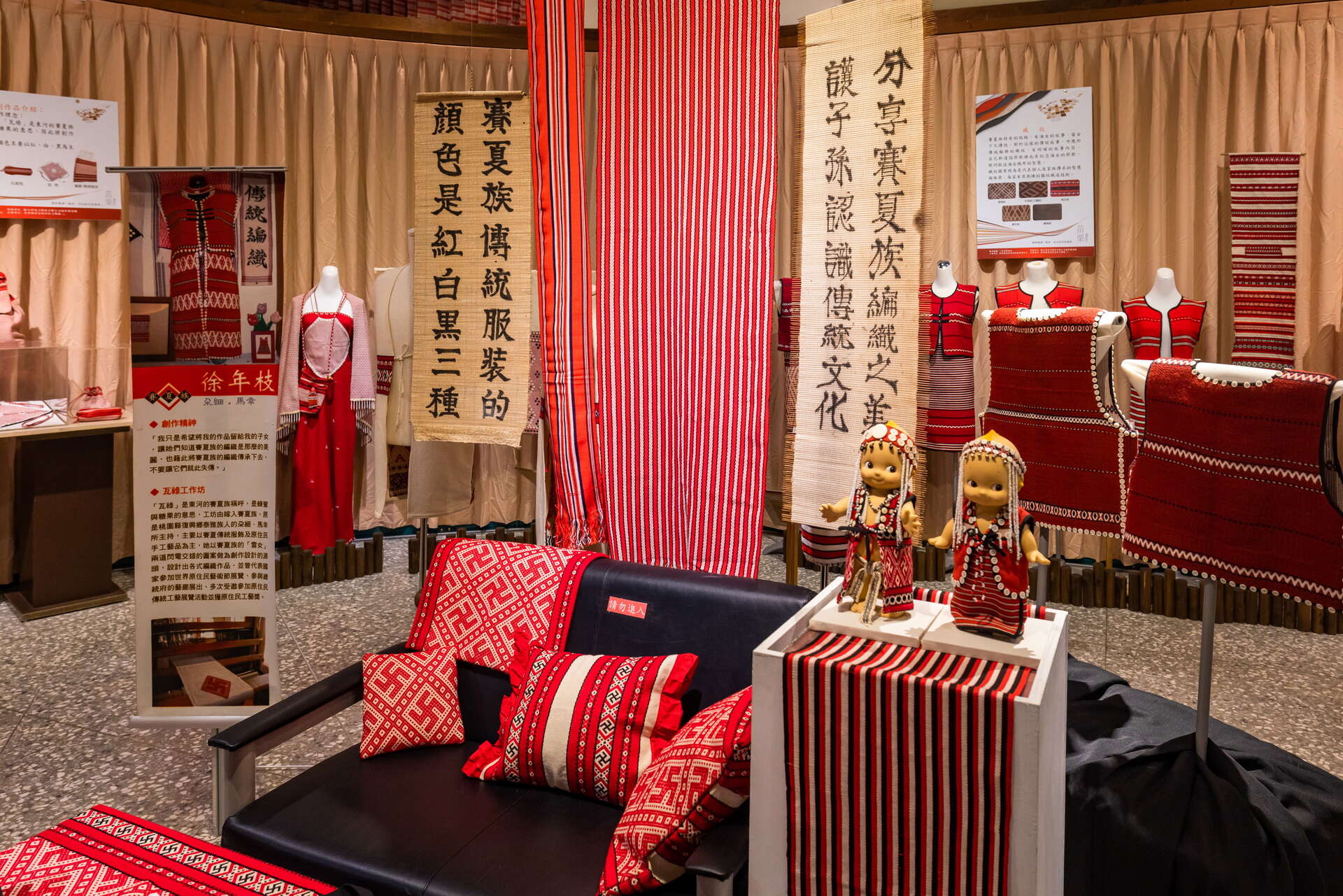
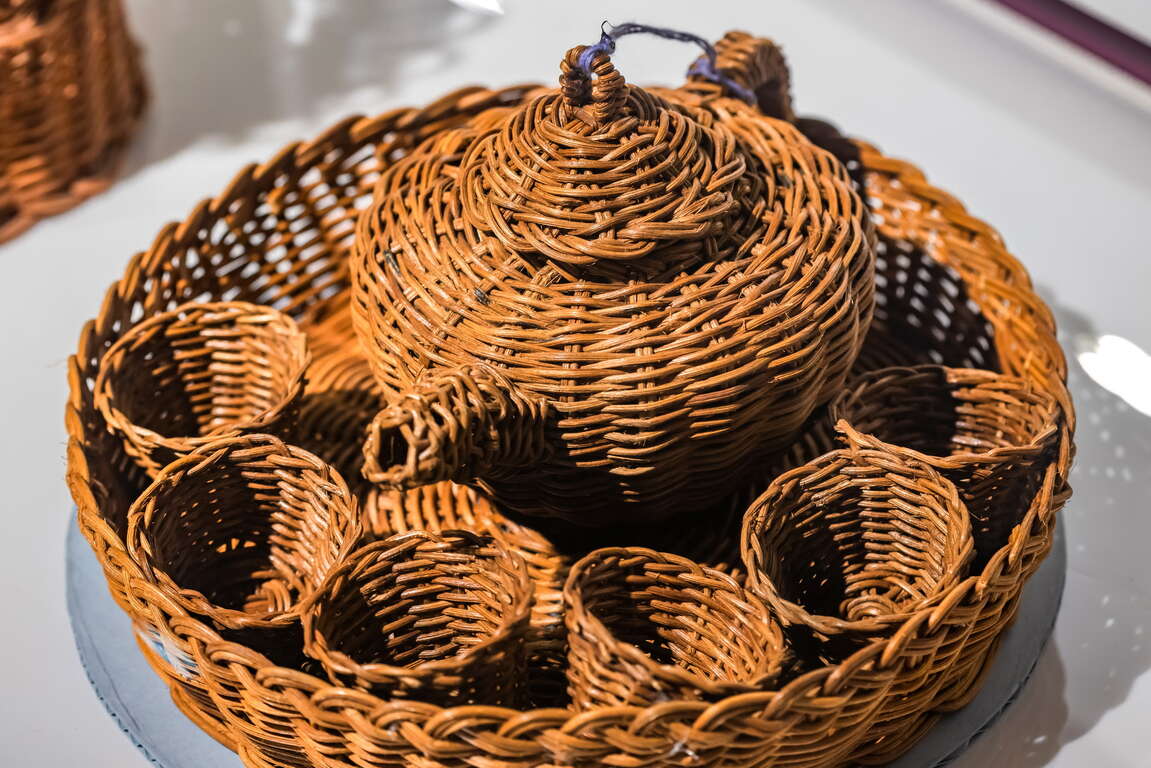
The Museum of Saisiyat Folklore covers an area of about 6,000 square meters and is a three-story building. From a distance, you can see the stone pillars decorated with Saisiyat totems and the main body of the building covered with bamboo strips. The museum's first floor is a bamboo weaving craft area and a particular exhibition room, the second floor is a permanent exhibition area, and the third floor is a ritual exhibition area and an outdoor viewing deck that overlooks the entire lake. The museum displays Saisiyat bamboo weaving, ramie textiles, and creative arts, including fishing and farming tools, as well as the details of Saisiyat festivals, all fully included in the Folk Museum. There are also occasional hand-made experiences, art exhibitions, and performances.
The camellia oil tree-lined avenue allows you to stroll along the shore of Xiangtian Lake and enjoy the view.
Xiangtian Lake is on higher ground. In winter and spring, it is filled with mist, like a fairyland on earth. The Saisiyat people hold the Pasta’ay Festival here. The lakeside trail next to the Museum of Saisiyat Folklore features a green tunnel of camellia oil trees. It is suitable to visit after visiting the Museum of Saisiyat Folklore, where you can absorb phytoncides while enjoying the lake's and mountains' beauty.
Information
Open Time
- Sunday:09:00 – 17:00
- Monday:Break time
- Tuesday:09:00 – 17:00
- Wednesday:09:00 – 17:00
- Thursday:09:00 – 17:00
- Friday:09:00 – 17:00
- Saturday:09:00 – 17:00
TEL
886-3-7825024
How to Get There